Skip to content

Most basements on the South Shore start the same way — low ceilings, small windows, concrete walls, and a single bare bulb hanging in the middle of the room. In older homes throughout Quincy, Weymouth, Hingham, and Braintree, these below-grade spaces have traditionally been used for storage, laundry, and little else. But that is changing fast, as popular basement lighting ideas are becoming increasingly mainstream.
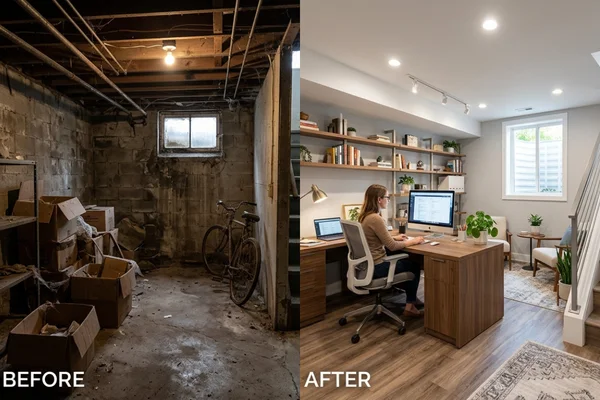
Homeowners across Plymouth and Norfolk counties are finishing their basements to create valuable living space without adding another floor to the house. The challenge is making that space feel like a natural extension of the home — comfortable, bright, and welcoming rather than dark and enclosed. This is why basement lighting ideas and trends are so important for finishing off a basement space.
Lighting is one of the most important decisions in any basement finishing project, and it is also one of the most misunderstood. The right basement lighting ideas go far beyond replacing a bare bulb. A thoughtful combination of recessed fixtures, LED basement lights, task lighting, and accent lighting can make a low-ceilinged space feel larger and more inviting. The wrong layout, however, can leave rooms with harsh glare, dark corners, or uneven lighting.
This guide from our local basement design experts covers what South Shore homeowners need to know about lighting for basement rooms, including the best light fixtures for basements, LED options, layout planning, color temperature, and common mistakes to avoid before installation begins.
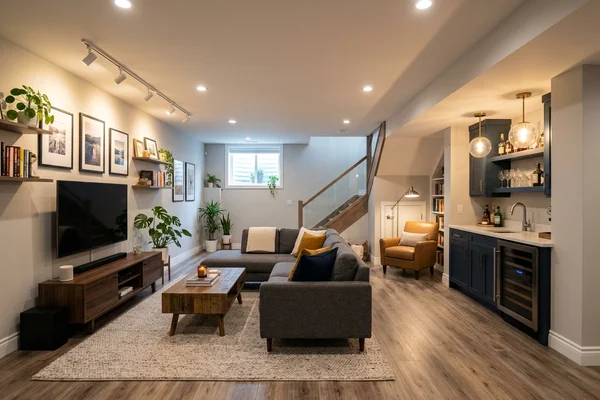
WHY BASEMENT LIGHTING REQUIRES A DIFFERENT APPROACH THAN THE REST OF YOUR HOME
Basement lighting is not simply a matter of adding more fixtures. Below-grade spaces have unique conditions that affect how light enters, reflects, and spreads throughout the room. Those conditions require a more deliberate lighting plan from the beginning of the finishing project. Here are some factors to keep in mind when looking at South Shore basement light trends:
Why Below-Grade Spaces Absorb Light Differently
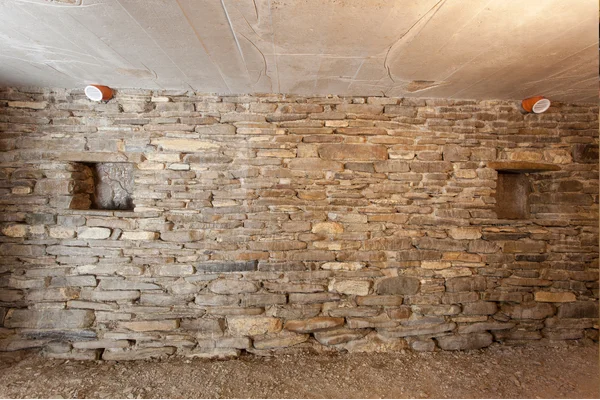
Basements typically have little natural light. Many South Shore homes, particularly older properties in towns like Milton, Cohasset, and Scituate, have small hopper or awning windows that provide limited daylight. Foundation walls may also be concrete block, poured concrete, or fieldstone — surfaces that generally reflect less light than the finished drywall found on upper floors.
That means a finished basement depends heavily on artificial lighting. Every fixture placement, bulb selection, wall color, and ceiling finish can affect how bright and open the space feels. The best lighting for a basement uses these elements together rather than relying on a single fixture type.
How Ceiling Height Affects Your Lighting Plan
Popular basement lighting ideas come in all shapes and sizes and styles, but they all involve ceiling parameters, especially height and clearances. Ceiling height is another important consideration, especially in older Massachusetts homes. Existing basement ceilings may have limited clearance, and adding insulation, ductwork, electrical components, or a dropped ceiling can further reduce usable height.
Lower ceilings affect which light fixtures make sense for basements and how they should be positioned. Recessed LED fixtures, for example, can provide broad, even illumination without taking up much visual space overhead. But spacing them too far apart can still leave dark pockets, while placing too many fixtures in one area can create unnecessary glare.
A good lighting plan considers ceiling height, room dimensions, natural light, and how each area will be used — whether it is a family room, home office, playroom, gym, or entertaining space.
Think in Lighting Layers, Not Just Fixtures
A finished basement rarely has one lighting need. Ambient lighting provides overall illumination, task lighting helps with activities such as reading or working, and accent lighting can highlight architectural details, artwork, shelving, or a bar area.
Planning these layers together creates a basement that feels brighter and more comfortable, rather than simply covering the ceiling with fixtures. It also makes it easier to control the space’s atmosphere with dimmers and separate lighting zones.

THE BEST LIGHTING FOR BASEMENT CEILINGS: FIXTURE TYPES THAT ACTUALLY WORK
The best lighting for a basement depends on the ceiling type, available headroom, existing wiring and mechanical systems, and how the space will be used. A family room, home theater, laundry room, and basement bar may all require different light fixtures for basements.
The good news is that homeowners have more options than the traditional bare bulb or fluorescent fixture. The right combination of recessed, surface-mounted, accent, and task lighting can make even a low-ceilinged basement feel brighter and more finished.
Basement Ceiling Lighting Comparison – Basement Lights Ideas for South Shore Homes
| Lighting Type | Best For | Ceiling Height | Light Quality | Design Flexibility | Best Role |
| Recessed LED | Finished living spaces | Low to high | Bright, even | High | Primary/ambient |
| LED strip/cove | Bars, theaters, shelving | Low to high | Soft, indirect | Very high | Accent/ambient |
| Surface-mount LED | Low or obstructed ceilings | Low to high | Bright, even | Moderate | Primary/utility |
| Track lighting | Areas where recessed isn’t practical | Low to high | Directional | High | Ambient/task |
| Pendant lighting | Bars, islands, game tables | Medium to high | Focused | Very high | Task/accent |
| Flush-mount fixtures | Bedrooms, hallways, utility areas | Low to medium | Even | Moderate | Primary/ambient |
Recessed LED Lighting
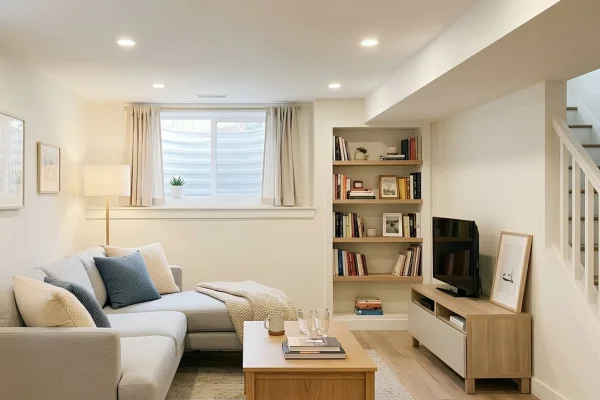
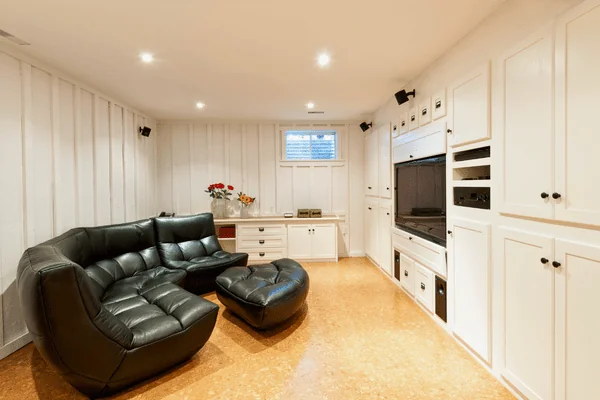
Recessed LED fixtures — often called can lights or pot lights — are among the most practical and popular basement light ideas for finished spaces on the South Shore. They sit flush with the ceiling, preserving valuable headroom while providing broad, even illumination.
Four-inch and six-inch fixtures are both common choices, but the right size depends on the room and the desired light distribution. Four-inch fixtures work well in lower ceilings, hallways, and smaller rooms, while six-inch fixtures can provide broader coverage in larger open areas.
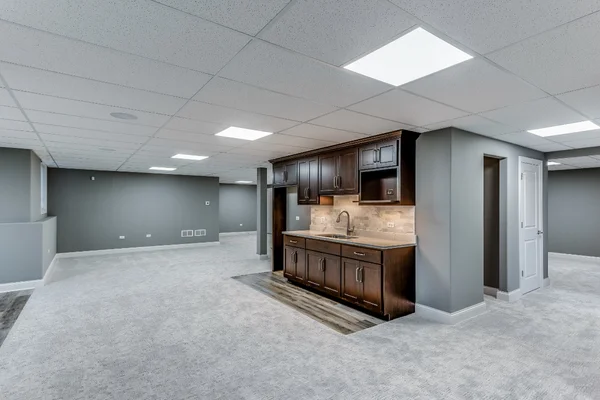
Modern wafer-style LEDs are particularly useful in basement remodeling because they have a very slim profile and can work where a traditional recessed housing would be difficult to install.
Consider recessed LED lighting when you want:
- Maximum headroom in a finished basement
- Even general illumination
- A clean, built-in appearance
- Dimmable lighting for family rooms or entertainment areas
- Energy-efficient LED basement light options
- Flexible color temperatures for different rooms

LED Strip Lighting and Cove Lighting
LED strip lighting provides indirect illumination along soffits, shelving, stair details, or the perimeter of a drop ceiling. Rather than acting as the primary light source, it adds another layer that can make a basement feel warmer and more visually interesting.
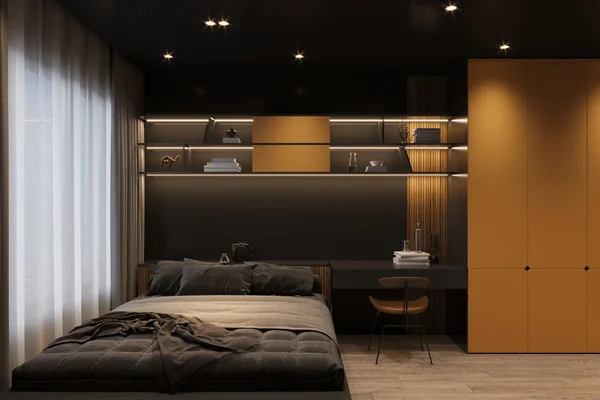
This is particularly effective in basement bars, home theaters, entertainment areas, and rooms with built-in shelving. Concealing the strip behind a trim detail or within a cove can create a soft glow without exposing the light source.
LED strips work especially well for:
- Basement bars and entertaining areas
- Home theaters and media rooms
- Built-in shelving
- Soffits and architectural details
- Accent lighting around a drop ceiling
- Creating indirect light with less glare

Surface-Mount and Flush-Mount LED Fixtures
Surface-mount and flush-mount LED fixtures are valuable alternatives when recessed lighting isn’t practical. Older South Shore basements may have exposed joists, plumbing, ductwork, or limited space above the finished ceiling, making traditional recessed fixtures difficult to install.
These fixtures mount directly to the ceiling and require very little overhead depth. Slim LED panels can provide particularly strong illumination in laundry rooms, workshops, utility spaces, and other areas where function takes priority.
They are a good choice when:
- Ceiling space above the drywall is limited
- Joists or ductwork interfere with recessed fixtures
- You want a simple installation
- The basement includes utility or laundry areas
- Bright, functional lighting is more important than decorative fixtures

Track Lighting
Track lighting offers flexibility when recessed installation isn’t feasible or when homeowners want to direct light toward specific areas. Individual heads can be aimed toward seating, artwork, shelving, work areas, or other features.
It can be especially useful in partially finished basements or spaces where the ceiling structure makes recessed lighting difficult. Modern track systems are considerably more streamlined than older versions and can work well in contemporary basement designs.
Track lighting can be useful for:
- Directing light toward multiple activity zones
- Highlighting artwork or architectural features
- Basements with difficult ceiling construction
- Combining ambient and accent lighting
- Spaces where fixture locations may need flexibility

Pendant Lighting Over Functional Zones
Pendant lights add both task lighting and visual character when placed over a basement bar, game table, island, or other functional zone. They work particularly well when the basement has enough ceiling height to accommodate the fixture without compromising headroom.
In lower-ceilinged basements, choose compact pendants and position them carefully. The goal is to define the activity area without making the room feel visually crowded.
Pendant lighting is best suited to:
- Basement bars
- Kitchen or kitchenette islands
- Game and dining tables
- Countertops and serving areas
- Higher-ceilinged finished basements
- Decorative focal points

Popular Basement Lighting Ideas- Don’t Choose Fixtures in Isolation
The strongest basement lighting ideas usually combine several fixture types rather than relying on a single light source. Recessed or surface-mounted fixtures can provide overall illumination, while pendants, LED strips, and track lighting add task and accent layers.
Before selecting fixtures, consider the ceiling height, existing electrical and mechanical systems, natural light, room function, and whether you want the lighting to be controlled by separate switches or dimmers. Planning those details during basement design is much easier than trying to correct an uneven lighting layout after the ceiling is finished.
HOW TO LAY OUT BASEMENT LIGHTING THE RIGHT WAY
A good basement lighting layout is planned before wiring begins. The key considerations are fixture spacing, lighting zones, and layering. Getting these right helps prevent dark corners, glare, and uneven illumination.
Recessed Lighting Spacing
A common starting point for recessed lighting is to space fixtures about half the ceiling height apart. That means roughly 4 feet apart with an 8-foot ceiling and about 3.5 feet with a 7-foot ceiling. Fixtures near walls are often positioned 2 to 3 feet away to help wash the walls with light and reduce dark perimeter areas.
Spacing should still be adjusted based on the fixture’s light output, beam angle, ceiling height, and the room’s purpose. For example, a 20-by-14-foot basement family room might use a grid of recessed fixtures supplemented by task or accent lighting around a bar, shelving, or work area.
Zone Lighting by Function
Finished basements often combine several uses — a family room, home office, wet bar, bathroom, or play area. Each zone may need a different light level and should ideally have its own switch or dimmer.
Consider:
- Office or play area: brighter, even illumination
- Family room: flexible, dimmable ambient lighting
- Bar or counter: focused task lighting
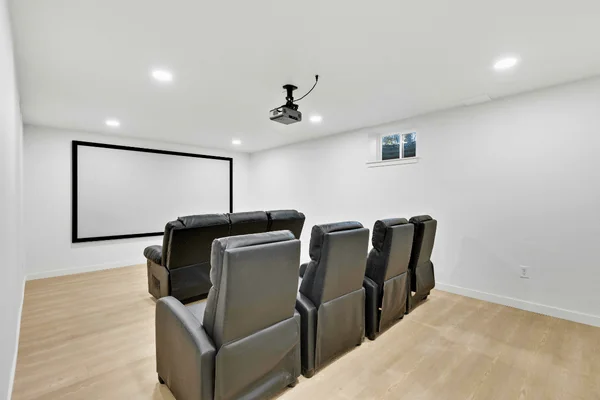
- Home theater: low-level, indirect lighting
- Bathroom: bright task lighting around the vanity
Planning separate circuits during the electrical rough-in is much easier than modifying the wiring after the ceiling is finished.
Layer Ambient, Task, and Accent Lighting
The most effective lighting for basement rooms combines three layers:
- Ambient: recessed or surface-mounted fixtures for overall illumination
- Task: pendants, under-cabinet lighting, or desk lamps for specific activities
- Accent: LED strips, picture lights, or directional fixtures that highlight architectural features
Combining these layers creates a basement that feels brighter and more comfortable without simply adding more ceiling fixtures.
WHAT COLOR TEMPERATURE IS BEST FOR BASEMENT LIGHTING
Color temperature, measured in Kelvins (K), affects how warm, cool, or neutral a basement feels. Choosing the right temperature is especially important in below-grade spaces because artificial lighting often provides most of the room’s illumination.
Understanding the Kelvin Scale
For most basement lighting, 2700K to 4000K is sufficient for finished living spaces. The best choice depends on how each area is used.
| Color Temperature | Appearance | Best Basement Uses |
| 2700K–3000K | Warm white | Family rooms, bedrooms, bars, theaters |
| 3500K–4000K | Neutral white | Offices, playrooms, laundry, workshops |
| 5000K+ | Cool/daylight | Garages and utility spaces |
For most finished basements on the South Shore, 2700K to 3000K is well-suited for living and entertainment areas, creating a warm, comfortable atmosphere. 3500K to 4000K is better suited to offices and utility areas where brighter, more neutral light can improve visibility and focus.
Mixing color temperatures between separate zones is fine, but keep fixtures within the same room or zone consistent to avoid an uneven appearance.
How Wall and Ceiling Colors Affect Light
Color temperature isn’t the only factor that determines how bright a basement feels. Light-colored walls and ceilings reflect more light, while dark finishes absorb more of it.
For a basement with limited windows, consider:
- White or off-white ceilings to maximize reflected light
- Light gray, beige, or other light wall colors for a brighter feel
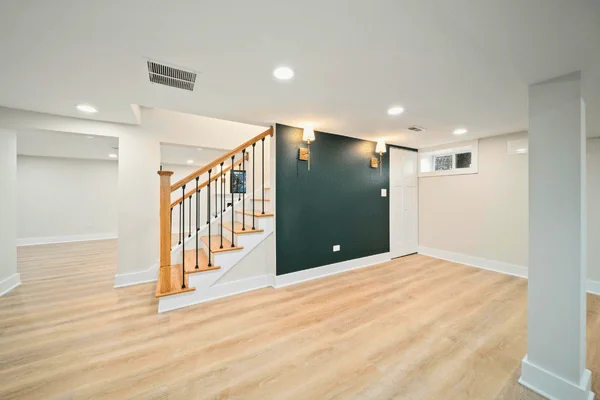
- Darker accent walls used selectively rather than throughout the space
- Matte or low-sheen finishes to reduce unwanted glare
Combining reflective finishes with well-planned LED basement lights can make a below-grade room feel noticeably brighter without simply adding more fixtures.

COMMON MISTAKES INSTALLING BASEMENT LIGHTS
Even the most popular basement lighting ideas may not be a good fit if common mistakes are made. Good basement lighting ideas can quickly go wrong when fixture placement, controls, or existing basement conditions are overlooked. Most lighting problems are easier and less expensive to prevent during the design and rough-in stages than to fix after the ceiling is finished.
Basement Lighting Mistakes at a Glance – Basement Lights Ideas
| Common Mistake | What It Causes | Better Approach |
| Fixtures spaced too far apart | Dark areas and uneven light | Plan spacing around ceiling height, fixture output, and room use |
| No dimmer switches | Limited control and harsh lighting | Add dimmers and separate zones where appropriate |
| Ignoring moisture exposure | Safety or code issues | Use fixtures with the appropriate damp/wet-location rating |
| Blocking fixtures with ductwork or beams | Poor placement and shadows | Coordinate lighting with framing and mechanical systems |
| Using low-CRI LEDs | Colors look dull or inaccurate | Choose quality LEDs with a CRI of 90+ where color matters |
| Relying on one lighting layer | Flat or overly bright rooms | Combine ambient, task, and accent lighting |
| Poor switch placement | Inconvenient everyday use | Plan switches at entrances and controls by zone |
| Choosing fixtures for looks alone | Glare, poor illumination, or lost headroom | Prioritize function, scale, and ceiling height |

Spacing Fixtures Too Far Apart
Using too few fixtures creates bright spots beneath each light and dark areas between them. This is particularly noticeable along basement walls and in corners.
Use ceiling height and fixture specifications as a starting point, then adjust spacing for the room’s size, layout, and intended use. Wall-washing fixtures can also help reduce the dark perimeter effect.
Skipping Dimmers and Lighting Zones

A basement rarely needs the same level of light all day. Dimmers and separate switches allow homeowners to brighten a home office or playroom while keeping a theater or bar area comfortably subdued.
Planning controls during the electrical rough-in is far easier than adding them later.
Ignoring Moisture Exposure
Basement bathrooms, laundry areas, and spaces near sinks or other water sources need fixtures rated appropriately for their location. Depending on where a fixture is installed and how much moisture it may encounter, that may mean a damp-location or wet-location rating.
Have the electrical plan and fixture specifications reviewed for the specific conditions rather than assuming every basement fixture needs the same rating.
Forgetting What’s Above the Ceiling
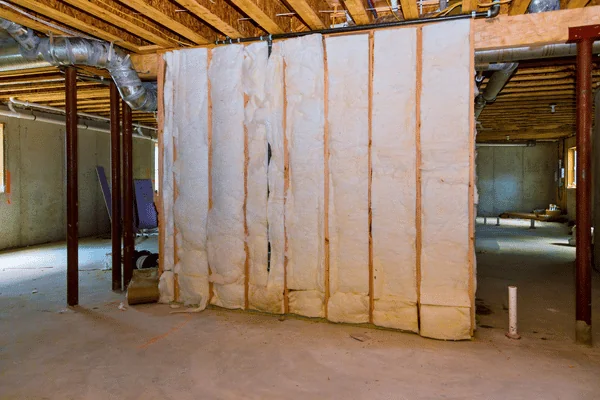
Basement ceilings often compete with ductwork, plumbing, electrical wiring, beams, and structural framing. Installing recessed fixtures without accounting for these obstacles can result in awkward spacing or unnecessary shadows.
Coordinate the lighting layout with the mechanical and electrical plans before the ceiling is closed.
Choosing Low-Quality LEDs
Not all LED fixtures produce the same quality of light. A low-CRI fixture can make flooring, cabinetry, paint, and furniture colors appear dull or inaccurate.
For finished living spaces, look for quality LEDs with a CRI of 90 or higher, particularly where accurate color appearance matters.
Relying on One Type of Light
A grid of ceiling fixtures may make a basement bright, but it doesn’t necessarily make it comfortable. Combining ambient, task, and accent lighting gives homeowners more control and creates a more finished look.
Choosing Trends Over Function
Decorative fixtures can add personality, but basement lighting still needs to work with the space. Oversized pendants can reduce headroom, exposed bulbs can create glare, and color-changing LED strips are rarely effective as a primary light source.
Choose fixtures based on ceiling height, room function, light quality, and scale first. Decorative elements can then be layered in where they add value.

TURN YOUR DARK BASEMENT INTO A SPACE YOU’LL ACTUALLY USE
The right basement lighting can do more than brighten a dark room. With thoughtful fixture placement, layered lighting, appropriate color temperature, and a design built around how you use the space, a below-grade basement can feel comfortable, open, and like a true extension of your home.
If you’re ready to turn an underused basement into a finished living space, South Shore Basement Finishing Company can help. We work with homeowners in Quincy, Braintree, Weymouth, Hingham, Milton, Scituate, Marshfield, Plymouth, and other South Shore communities.
From basement design and lighting layout to fixture selection and complete basement finishing, our team can help you plan the project from the first consultation through the final walkthrough.
Ready to get started? Contact South Shore Basement Finishing Company today to request your free estimate. We’ll evaluate your space, discuss your goals, and develop a practical plan for creating a basement that’s brighter, more functional, and designed around the way your family lives.
Explore our project gallery to see examples of finished basements and popular basement lighting ideas we’ve created for South Shore homeowners. Call today to get started with your basement finishing project and basement lighting ideas that can make your space safe and welcoming.
FREQUENTLY ASKED QUESTIONS
What kind of lighting is best for basements?
Recessed LED lighting is one of the best overall choices for finished basements. It preserves headroom while providing even illumination. For South Shore homes, combine recessed fixtures with dimmers, task lighting, or LED strips to create flexible layers rather than relying on a single overhead light source.
What type of lighting is best for a basement ceiling?
Recessed LED fixtures work well with drywall ceilings because they provide even light without taking up overhead space. For drop ceilings, slim wafer-style LEDs can fit into the ceiling grid. Surface-mount LED fixtures are another practical option when joists, ductwork, or limited clearance prevent recessed installation.
What are some good ideas for LED lighting in a basement?
Popular basement lights ideas include recessed LEDs for general illumination, LED strips under shelving or bar cabinets, step lights along stairs, and pendants over counters or game tables. Combining these fixtures creates ambient, task, and accent lighting while allowing different areas of the basement to have their own lighting controls.
How do I lay out basement lighting correctly?
Start with ceiling height, room dimensions, fixture specifications, and the location of walls, windows, ductwork, and plumbing. A common starting point is to space recessed fixtures about half the ceiling height apart, then adjust as needed for the room’s use. Plan separate lighting zones and dimmers before electrical rough-in.
What color temperature is best for basement lighting?
For most finished basement living spaces, 2700K to 3000K provides comfortable warm-white light. Home offices and utility areas may benefit from 3500K to 4000K for a more neutral appearance. Keep fixtures within each room or lighting zone at the same color temperature for a consistent look.
How can I make a dark basement look brighter?
Use multiple lighting layers rather than simply adding more fixtures. Recessed or surface-mounted LEDs provide ambient light, while task and accent fixtures brighten specific areas. Light-colored ceilings and walls also reflect more light, helping a basement feel larger and brighter when natural daylight is limited.
Are recessed lights good for low basement ceilings?
Yes. Recessed LED fixtures are particularly useful for low basement ceilings because they sit nearly flush with the finished surface, preserving headroom. Slim wafer-style LEDs can be helpful when overhead space is limited, but fixture placement should account for joists, ductwork, plumbing, and insulation.
How many recessed lights should a basement have?
There is no universal number because the ideal layout depends on ceiling height, fixture output, room dimensions, and how the basement will be used. Rather than counting fixtures alone, plan for even light distribution, adequate illumination in each activity zone, and additional task or accent lighting where needed.
Should basement lights be 3000K or 4000K?
For most finished basement living areas, 3000K is the better choice because its warm-white appearance feels comfortable and residential. 4000K works well for offices, workshops, laundry rooms, and other areas where a neutral, more focused light is useful.
Should basement lighting be warm or cool?
Warm-to-neutral lighting generally works best in finished basements. Choose 2700K to 3000K for family rooms, bedrooms, bars, and entertainment spaces, and consider 3500K to 4000K for offices or utility areas. Very cool 5000K-plus lighting can feel harsh in residential living areas.
Do basement lights need to be damp rated?
Not every basement light needs a damp rating. The required fixture rating depends on its specific location and exposure to moisture. Bathrooms, laundry areas, and spaces near sinks or other water sources may require appropriately rated fixtures. Always match the fixture to the conditions of its installation.
Are LED lights worth it for a finished basement?
LED fixtures are generally a practical choice for finished basements because they use less energy than many traditional lighting options, have long operating lives, and are available in different brightness levels, color temperatures, and styles. Their low-profile designs also work particularly well where basement ceiling height is limited.
Should basement lights be on separate switches?
Yes. Separating basement lighting into zones makes the space easier to use and gives homeowners more control over brightness. For example, a family room, an office, a bar, and a stairway can each have separate controls. Adding dimmers during the initial electrical work is also easier than retrofitting them later.