Skip to content

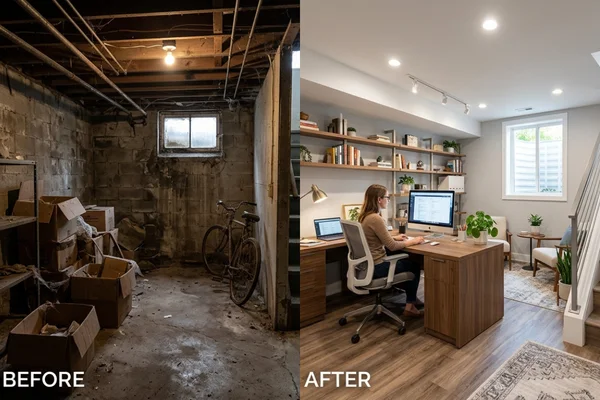
Homeowners invest a significant amount of time, money, and effort into improving their living spaces, particularly when finishing or remodeling a basement.
Adding a bathroom in the basement can make the area more comfortable and practical, whether you’re creating a guest suite, workout room, or family hangout spot. But there’s one critical element that often gets overlooked: a bathroom vent basement system. Without it, all that investment can quickly run into problems with moisture, odors, and even building code violations.
Basement bathroom ventilation is crucial for comfort. Learn how to vent a basement bathroom properly, explore local basement refinishing, and plan a stylish basement bathroom renovation in Massachusetts for lasting value.
In this guide, we’ll break down how to vent a basement bathroom, why it matters, the best methods for tricky layouts, and when it’s smarter to hire a basement bathroom contractor in Massachusetts for a safe and effective installation.
Why Proper Venting Matters in a Basement Bathroom
Unlike bathrooms on upper floors, basements typically have limited natural airflow and usually sit below grade, allowing humidity and odors to become easily trapped. Proper ventilation does more than just keep the air fresh, it protects your home.

Preventing Mold and Mildew
Moisture is the biggest enemy of a basement bathroom. Showers, sinks, and toilets all generate humidity, and without a working bathroom vent or basement system, that dampness lingers. Mold and mildew thrive in these conditions, damaging drywall, flooring, and grout while also triggering allergies and respiratory issues. Installing and maintaining a vent fan reduces moisture, keeping surfaces dry and protecting the integrity of your basement bathroom.
Eliminating Odors and Improving Air Quality
Basements are already prone to feeling stuffy. Add a bathroom, and odors can linger without proper venting. A good system ensures stale air is replaced with fresh air, reducing airborne contaminants and keeping the bathroom and the basement as a whole comfortable and livable. Learning how to properly vent a basement bathroom makes a significant difference in air quality.
Meeting Local Building Codes and Safety Standards
Venting isn’t just about comfort it’s also a code requirement. Local regulations in towns like Massachusetts outline strict standards for ventilation. Working with a qualified basement bathroom contractor in Massachusetts ensures:
- Proper evaluation of code requirements.
- Selection of the right venting system.
- Professional installation for safety and efficiency.
- Final inspections to confirm compliance.
Ignoring these standards can lead to failed inspections, costly fines, or even having to redo your project.
Common Venting Options for Basement Bathrooms
When considering basement bathroom ventilation, homeowners often ask how to vent a basement bathroom efficiently. Local basement refinishing services make a basement bathroom renovation in Massachusetts both practical and elegant.
There isn’t a one size fits all solution for a bathroom vent basement setup. The right choice depends on your basement layout, ceiling height, and whether you’re adding it during construction or retrofitting it later.
Venting Through an Exterior Wall
Installing a fan that forces air through an external wall is frequently the simplest and most efficient technique. Key steps include:
- Choose the shortest and most direct path outside.
- Use rigid ductwork where possible for better airflow.
- Install a durable exterior vent cap to keep out rain, pests, and drafts.
For many basement bathroom installation projects, this is the go to method.
Venting Through a Ceiling and Existing Ductwork
If your basement already has ductwork for heating or cooling, you may be able to tie into it. This works well in low ceiling basement bathrooms, as the vent can run along the ceiling line without significantly lowering the headroom. Ensure the existing ducts are properly sized to handle the additional load, and regularly check airflow to prevent backdrafting.
Installing a Dedicated Exhaust Fan System
Struggling with basement bathroom ventilation? Knowing how to vent a basement bathroom helps avoid common issues in these kinds of spaces. For bathrooms with higher moisture levels (like those with showers or tubs), a dedicated exhaust fan is often the best choice. Here’s how:
- Select the fan size (measured in CFM) that matches the bathroom’s square footage.
- Mount the fan in a location that maximizes airflow while avoiding areas prone to water spray.
- Run ductwork to an exterior wall or roof vent.
- Add a switch or humidity sensor for convenience and energy efficiency.
This option provides targeted, reliable ventilation.
Using Window Vents in Low-Ceiling Basement Bathrooms
Not all basements have windows, but if yours does, they can help supplement ventilation. Install window vents that allow for natural airflow while maintaining insulation. Make sure they seal tightly when closed to prevent drafts and leaks, and add screens to keep out insects. While this shouldn’t be your only method of venting, it serves as a helpful backup for low-ceiling basement bathroom layouts.
Step by Step Guide – How to Vent a Basement Bathroom
For homeowners considering a DIY approach to bathroom venting in a basement, here’s a basic roadmap. Keep in mind that more complex projects may require professional help.

Assessing the Space and Layout
Start by mapping the bathroom:
- Measure its size to determine the venting requirements.
- Check for exterior walls or windows that could serve as venting exit points.
- Identify the locations of plumbing and electrical lines to avoid conflicts.
- Locate high humidity areas, such as the shower.
Choosing the Right Type of Fan or Vent
Select a fan that matches your bathroom’s square footage. Fans with higher CFM ratings handle moisture more effectively. Consider models with timers or humidity sensors for convenience. Always check compatibility with your home’s electrical system.
Installing Ductwork for Proper Airflow
Plan the most direct path to the outside. Use rigid ducting whenever possible, and minimize bends to maximize efficiency. Secure connections with clamps or foil tape, not regular duct tape.
Sealing and Insulating Vents to Prevent Leaks
Sealing prevents leaks, while insulation prevents condensation inside ducts, a common issue in basements. Wrap ducts with appropriate insulation and inspect periodically to catch gaps before they cause problems.
Challenges with Low Ceiling Basement Bathrooms
Proper basement bathroom ventilation prevents moisture damage. Understanding how to vent a basement bathroom is essential. Local basement refinishing experts can deliver a high quality basement bathroom renovation in Massachusetts for homeowners.
Venting can be complicated with low ceilings, but there are creative ways to get around this with basement bathroom ventilation whichrequires planning and expertise. :
Creative Venting Solutions for Limited Space
- Wall mounted fans instead of ceiling mounted ones.
- Compact ductless ventilation systems.
- High velocity fans that move more air with smaller ducts.
- Soffits or bulkheads to conceal ductwork without sacrificing headroom.
Using Compact Exhaust Fans
Manufacturers now offer slim profile fans designed specifically for tight spaces. These still provide adequate airflow while fitting into narrow ceiling cavities. Proper installation is crucial to maximize efficiency and maintain optimal air quality, thereby preventing mold growth and promoting a healthier environment.
Hidden or Recessed Venting Options
Options like in wall ducting, recessed ceiling fans, or inline fans installed away from the bathroom can reduce noise and maintain a clean look. Soffit vents also work well to maximize space without lowering ceilings further.
DIY vs. Hiring a Basement Bathroom Contractor in Massachusetts
Should you try venting your basement bathroom on your own or hire a professional? The answer depends on your project’s complexity.
When DIY is Possible
For smaller projects, like installing a vent fan in an existing exterior wall or using a simple macerating toilet setup, DIY can save money. Common DIY friendly tasks include:
- Adding a basic fan and running short ductwork.
- Using existing plumbing lines.
- Performing regular vent cleaning and maintenance.
Complex Installations Requiring Professional Help
If your project involves rerouting plumbing, tying into HVAC systems, or navigating complex building codes, you’ll want expert help. Missteps in a basement bathroom installation can lead to water damage, poor ventilation, or even failed inspections. A professional ensures everything is safe, functional, and compliant.
Benefits of Hiring a Local Contractor in Massachusetts
Choosing a basement bathroom contractor in MA has unique advantages:
- Familiarity with Massachusetts’s specific building codes.
- Years of experience handling basement challenges.
- Efficiency in completing projects without costly mistakes.
- Warranty protection on labor and materials.
Usability Starts with Proper Basement Bathroom Ventilation.
Adding a bathroom to your basement can transform the way you use the space, but only if it’s done correctly. A well designed bathroom vent basement system is the foundation of a safe, comfortable, and code compliant bathroom. By learning how to vent a basement bathroom whether through an exterior wall, ceiling ducts, or compact fans for a low ceiling basement bathroom you can protect your investment and improve your home’s air quality.
For simple projects, some homeowners manage just fine with DIY solutions. However, when in doubt, consulting a professional ensures lasting results. Need help with your basement bathroom installation? Contact our trusted basement bathroom contractors today for expert venting and remodeling solutions.
Frequently Asked Questions
1. What materials work best for venting a basement bathroom?
Rigid galvanized steel or aluminum ductwork is typically the most efficient choice, as it minimizes air resistance and lasts longer than flexible ducts. Insulated ducting helps prevent condensation, while PVC is suitable for drainage lines. Pairing these with a quality exhaust fan ensures reliable airflow and moisture control.
2. How often should I run the vent fan?
Run the fan during every shower and for at least 20 minutes afterward to remove excess humidity. In bathrooms without windows, keeping the fan on longer can further reduce mold risk. Regular cleaning keeps the fan running efficiently.
3. Can I install a vent fan myself?
Yes, if you’re comfortable with basic electrical and carpentry work. The process involves cutting an opening, wiring the fan to a power source, and connecting ductwork to an exterior vent. Always follow local codes, and call a pro if wiring or routing ducts feels overwhelming.
4. Are quiet or soundproof options available?
Absolutely. Many bathroom fans are rated for quiet operation look for models under 1.5 sones. Using insulated ducts or adding acoustic panels around the fan housing can further cut down on noise.
5. How do you vent a basement bathroom with a low ceiling?
Compact exhaust fans are ideal for tight spaces. Route ductwork along the ceiling with minimal bends, and use wall vents if overhead space is limited. Inline fans installed outside the bathroom can also reduce noise and save space.
6. How much does professional basement bathroom installation cost?
Costs vary, but homeowners typically spend $5,000–$10,000 on materials and finishes, plus $50–$100 per hour for labor. Plumbing and electrical work may add $1,500–$3,000, and permits often range from $100–$500.