Skip to content

If you’ve ever stepped into your basement on a cold South Shore morning and thought, why does this space always feel different from the rest of the house?, you’re not alone. Many homeowners across the South Shore deal with chilly floors, damp air, or high heating bills without realizing the basement is often the source of the problem.
Basement insulation is one of those upgrades that doesn’t get much attention until comfort or energy costs become hard to ignore. Whether your basement is unfinished, partially finished, or already used for storage or living space, proper insulation can make a noticeable difference in how your entire home feels.
So, what does that mean for your budget? Below, we’ll walk through basement insulation cost ranges, what homeowners in the area usually spend, and how to make smart insulation choices that actually pay off.
Factors That Influence Basement Insulation Costs in South Shore
No two basements are the same, and that’s why pricing varies. Understanding what drives costs helps you set realistic expectations and avoid surprises.
Basement Size and Layout
Square footage is one of the biggest cost drivers. A larger basement naturally requires more material and labor, increasing your overall insulation cost. Layout also matters. Low ceilings, mechanical obstacles, or uneven walls can slow installation and raise labor time.
For example, an open 1,000-square-foot basement with clear walls is much more straightforward (and affordable) to insulate than a basement filled with ductwork, utilities, or partial framing.

Choosing the Right Insulation Material
Your choice of insulation plays a major role in both upfront cost and long-term performance. Common options include:
- Fiberglass batts: Lower initial cost, but less effective against air leaks.
- Rigid foam board: Good moisture resistance and consistent R-value.
- Spray foam insulation: Higher cost, but excellent air sealing and energy efficiency.
The material you choose directly affects the cost to insulate basement walls and how well your basement performs over time.
Labor and Local Contractor Rates
South Shore labor rates tend to be higher than the national average, especially for experienced, licensed contractors. While hiring professionals may increase your insulation cost, it usually means fewer mistakes, better moisture control, and code-compliant installation.
Always request multiple estimates and confirm what’s included. Prep work, moisture barriers, and cleanup can make a noticeable difference in final pricing.
Understanding Basement Wall Insulation Costs
Basement walls are the main source of heat loss, making them the highest priority for insulation. For most South Shore homes, insulating basement walls accounts for the largest share of the project budget.
On average, the price of basement wall insulation for a standard home falls between $1,500 and $3,500, depending on material choice and installation method. Spray foam sits at the higher end, while rigid foam and fiberglass usually cost less.
Cost to Insulate a 1,000 sq. ft. Basement
For a typical 1,000 sq. ft. basement, homeowners in South Shore usually spend:
- $1,800–$3,500 for materials
- $1,000–$2,500 for labor
The total insulation cost for a 1,000 sq. ft. basement depends on wall height, insulation type, and site conditions. While higher-performance materials cost more upfront, they often reduce heating costs enough to pay off over time.
Insulating Basement Floors and Ceilings
While walls are the top priority, insulating floors and ceilings can further improve comfort and efficiency, especially if the basement will be used as a living space.
Benefits of Floor and Ceiling Insulation
Insulating floors and ceilings helps:
- Reduce heat loss to unheated spaces
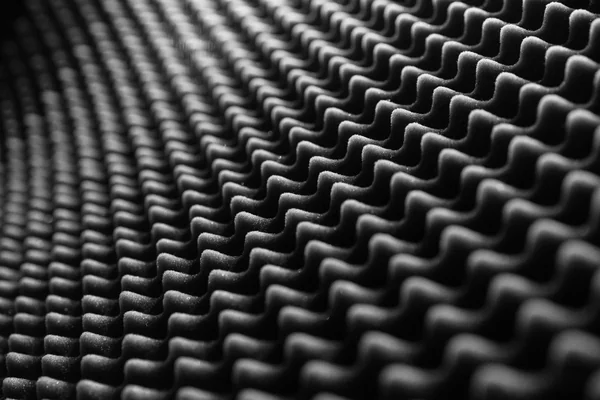
- Minimize noise transfer between levels
- Improve comfort in rooms above the basement
- Add an extra layer of moisture protection
These benefits are especially noticeable in older South Shore homes with minimal original insulation.
Material Options for Floors and Ceilings
When it comes to the insulation material for the floor and ceiling, homeowners commonly choose:
- Rigid foam boards for moisture resistance.
- Fiberglass batts for affordability.
- Spray foam for complete air sealing.
Each option balances cost, durability, and performance differently.
Professional vs. DIY Installation
DIY insulation can save money upfront, but it requires proper sealing, vapor barriers, and code awareness. Mistakes can lead to condensation issues or reduced efficiency. Hiring a professional ensures custom basement finishing and often delivers better long-term value, even if initial costs are higher.
Ways to Save on Basement Insulation Without Compromising Quality
Basement insulation doesn’t have to be expensive to be effective. With the right material choices and planning decisions, homeowners can reduce costs while still achieving reliable performance, comfort, and energy efficiency.
Choose High-Performance Materials Strategically
Not every area needs premium insulation. Using spray foam for rim joists and rigid foam for walls can balance cost and performance effectively.
Time Your Installation Wisely
Late fall and early spring are often slower seasons for contractors. Scheduling during these times may unlock better pricing or shorter wait times.
Balance DIY and Professional Work
Some homeowners handle prep work like clearing walls or removing old insulation, while leaving installation to the professionals. This hybrid approach can lower labor costs while maintaining quality.
Why Investing in Proper Basement Insulation Pays Off
Proper basement insulation affects more than just temperature control. It plays a key role in energy efficiency, moisture management, and overall comfort throughout the home. Investing in the right insulation helps reduce long-term costs while improving how the space performs year-round.
Lower Energy Bills and Better Efficiency
Proper insulation reduces heat loss, helping your HVAC system work more efficiently. Over time, lower utility bills help offset the initial basement insulation cost.
Moisture Control and Structural Protection
Insulation helps limit condensation, reducing the risk of mold, wood rot, and foundation damage, all of which are common issues in South Shore basements.
Improved Comfort and Home Value
A well-insulated basement feels more consistent year-round and appeals to buyers if you ever sell. Energy efficiency is a growing priority for today’s homeowners.
Making the Right Choice for Your Basement

Understanding basement insulation costs and your available options allows you to invest with confidence. When you choose the right materials and installation approach, insulation can noticeably improve comfort, energy efficiency, and long-term home value.
Ready to make your basement comfortable and energy-efficient? Contact South Shore Basement Finishing today for a free estimate on professional basement insulation and finishing services!
Basement Insulation FAQs for South Shore Homeowners
1. What is the most cost-effective way to insulate a basement?
The most cost-effective option depends on the condition of your basement. Fiberglass batts have the lowest upfront price, but they require proper air sealing to perform well. Rigid foam board offers better moisture resistance and durability at a moderate cost. Spray foam costs more initially, but its air-sealing performance can reduce energy loss enough to offset the higher price over time.
2. How often should insulation be inspected or replaced?
In South Shore homes, basement insulation should be inspected every three to five years, or after heavy rain, coastal storms, or any basement moisture issues. Because many local homes are older and exposed to higher humidity and groundwater pressure, insulation may need replacement after 15 to 20 years, or sooner if there are signs of dampness, mold, or rising energy bills.
3. How long does basement insulation installation usually take?
Most basement insulation projects are completed in one to two days. Smaller or open basements may take less time, while larger spaces or spray foam applications may require additional curing time.
4. Will insulating my basement actually lower energy bills?
Yes, insulating basement walls reduces heat loss, which helps your heating system run more efficiently. Many South Shore homeowners notice lower winter heating costs after insulation, especially in older homes with previously uninsulated foundations.
5. Can I insulate my basement myself?
DIY insulation is possible, but it’s not always recommended. Improper installation can lead to moisture buildup, air leaks, or code violations. Hiring a professional helps ensure correct material selection, vapor control, and long-term performance, often saving money by avoiding future fixes.
6. How do I know if my basement needs insulation?
Common signs include cold basement walls, drafty floors above, musty odors, visible condensation, or rising energy bills. If your basement feels significantly colder than the rest of your home, insulation is likely needed.