Skip to content

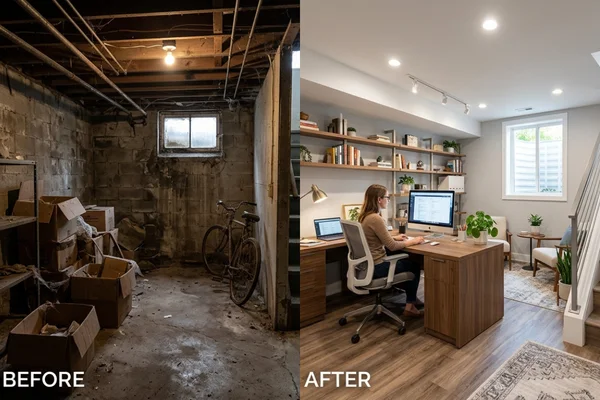
Do you need a permit to finish a basement? In almost every case, yes. In Massachusetts, most basement finishing projects require a building permit with separate permits for electrical, plumbing, or HVAC work when applicable. Whether you’re framing new walls, adding a bathroom, installing wiring, or converting unfinished storage into living space, pulling the proper basement remodel permit ensures the work meets current building and safety codes and protects your investment.
If you own a home on the South Shore, you’re far from alone in asking. From Quincy to Plymouth, homeowners are transforming unused below-grade space into home offices, family rooms, gyms, guest suites, and other living areas rather than moving to a larger house.
A finished basement in South Shore, MA, is one of the most cost-effective ways to increase your home’s usable square footage. It also adds overall value, but before a single stud goes up or a sheet of drywall is installed, the permit question is the one that comes up almost every time.
Knowing the rules up front saves time, money, and headaches later. In this guide, you’ll learn exactly when a permit is required, which inspections to expect, and what skipping the process can cost you. Also, how the rules apply to older South Shore homes.
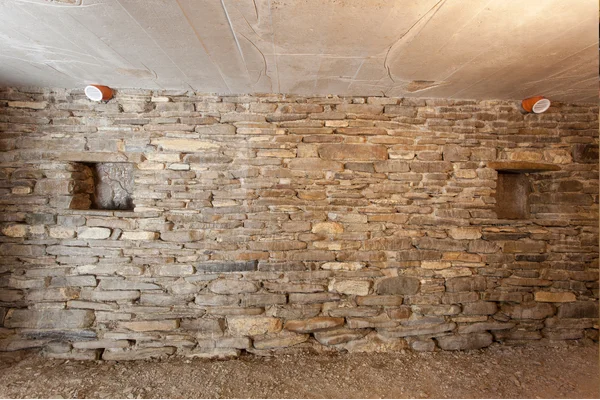
South Shore homes also present unique challenges that make permitting especially important. Many properties in Braintree, Weymouth, Hingham, and Scituate were built decades ago with fieldstone or rubble-stone foundations, aging electrical systems, and conditions that can contribute to moisture intrusion or high groundwater.
During the permit-to-finish-basement process, required inspections can identify potential structural, electrical, or moisture issues before they’re hidden behind finished walls, helping homeowners avoid costly repairs down the road.
Most building permits for basement renovation projects require approval, and obtaining a basement permit in Massachusetts helps ensure your renovation meets current safety and building codes.
In this guide, you’ll learn whether you need a permit to finish a basement, which permits and inspections are typically required in Massachusetts, what can happen if you skip the permit process, and how working with an experienced local contractor can help keep your basement renovation compliant, safe, and on schedule.
Let’s take a closer look at what is involved in obtaining basement remodel permits in South Shore, MA:
DO YOU ACTUALLY NEED A PERMIT TO FINISH A BASEMENT IN MASSACHUSETTS?
Yes. If you’re asking, “Do you need a permit to finish a basement?” the answer is almost always yes. In Massachusetts, converting unfinished basement space into living space typically requires a building permit. Under the Massachusetts State Building Code (780 CMR), permits are required for work involving structural changes in a room’s use, making a basement remodel permit necessary for most finishing projects.
What Triggers the Permit Requirement?
A permit to finish a basement involves much more than framing walls. In Massachusetts, including South Shore communities, permits are generally required for:
- Framing new partition walls or exterior wall furring
- Installing new electrical circuits, outlets, or lighting
- Adding or modifying plumbing for a bathroom, wet bar, or utility sink
- Installing or extending HVAC ductwork or a new heating zone
- Adding or enlarging windows to meet egress requirements
- Insulating foundation walls or ceiling assemblies
Most South Shore building departments require a general building permit, along with separate electrical and plumbing permits.
What Can Homeowners Do Without a Permit?
Homeowners may perform some work on their primary residence without hiring a general contractor, but a basement permit is still required. While cosmetic updates like painting, replacing trim, or installing flooring over an existing finished surface generally don’t require permits. Opening walls, adding utilities, or converting unfinished space into living space almost always do. Required inspections help ensure the work is safe, code-compliant, and ready for future resale.
Whether you’re adding a family room, home office, or guest suite, the right permit for basement finishing upgrades protects your investment and simplifies future resale. Working with local basement renovation services helps homeowners create a beautiful finished basement in South Shore that’s compliant and long-lasting.

HOW THE PERMIT PROCESS WORKS IN SOUTH SHORE TOWNS
While each municipality has its own procedures, the process for obtaining a permit to finish a basement is similar across Norfolk and Plymouth counties. Understanding the steps helps homeowners plan their timeline, budget, and inspections before work begins.
Submit Your Permit Application
To obtain a building permit for basement renovations, you’ll submit an application to your local building department with a project description, floor plan, and scope of work. Many South Shore towns now accept online applications, while others still require in-person submission. Permit fees are typically based on the estimated project cost.
The building permit alone usually falls between $300 and $700, depending on the municipality and scope of work. Once you add the separate electrical and plumbing permits, total permitting costs generally land between $500 and $1,200.
Plan Review and Approval
After submission, the building department reviews your plans to confirm they meet current building codes. Most basement remodel permit applications are approved within a few days to several weeks. Timelines can be longer during busy construction seasons. If revisions are needed, you’ll receive comments before the permit is issued and construction can begin.
Required Inspections
A basement permit includes inspections throughout the project, not just at the end. So, do you need a permit to finish a basement and an inspection after? Most basement renovations require inspections for:
| Inspection | When It Happens | What’s Checked |
| Rough framing | Before insulation or drywall | Wall framing and structural work |
| Rough electrical | Before the walls are closed | New circuits, outlets, and wiring |
| Rough plumbing | Before the walls are closed | Bathroom or wet-bar supply and drain lines |
| Insulation | After rough-ins pass | Code-compliant insulation and vapor control |
| Final | After all work is complete | Full code compliance and sign-off |
Each inspection must be approved before moving to the next phase. Working with an experienced local contractor helps keep the project on schedule. It also ensures inspections are completed in the correct order, and reduces the risk of costly delays or code violations.

WHAT HAPPENS IF YOU FINISH YOUR BASEMENT WITHOUT A PERMIT?
Finishing a basement without the required basement permit can lead to costly problems, and the consequences are rarely minor. If you’re wondering, “Do I need a permit to finish a basement?” the answer matters because skipping the permit process can affect your home’s safety, value, insurance coverage, and future sale. This is especially true on the South Shore, where older homes and competitive real estate markets often receive closer scrutiny.
Problems When Selling Your Home
One of the most common times unpermitted work is discovered is during a home sale. If a buyer’s inspector or attorney finds a finished basement without a building permit for basement renovations, the transaction may be delayed or even fall through. You could be required to obtain retroactive permits, open finished walls for inspections, and correct code violations before closing. Buyers may also negotiate a lower price—or walk away entirely.
Safety Risks and Insurance Issues
A permit to finish a basement helps ensure that electrical, plumbing, structural, and HVAC work complies with current building codes. Without required inspections, hidden issues can increase the risk of electrical fires, water damage, mold growth, or structural problems. If damage is linked to unpermitted work, your homeowner’s insurance may deny part or all of a claim, putting a major investment at risk.
Fines and Costly Repairs
Local building departments can issue stop-work orders, fines, or require that unpermitted work be removed so inspections can be completed. In many cases, that means cutting open finished walls, exposing wiring and plumbing, and rebuilding sections of the project. The cost of correcting unpermitted work often far exceeds the cost of obtaining the proper basement remodel permit from the start.
Skipping a basement permit may seem like a way to save time or money, but it often leads to far greater costs later. Working with an experienced local contractor helps ensure your basement renovation meets Massachusetts code, passes inspections, and protects your home’s value, safety, and long-term investment.
SOUTH SHORE-SPECIFIC CODE REQUIREMENTS YOU NEED TO KNOW
| Requirement | What South Shore Homeowners Need to Know | Why It Matters |
| Egress window | Basement bedrooms need a compliant egress opening (≈5.7 sq ft; 24″ H / 20″ W; sill ≤44″) | Emergency escape; older South Shore windows are often too small |
| Ceiling height | Minimum ~7 ft finished for habitable rooms (780 CMR / IRC R305) | Ducts and beams cut headroom; plan soffits early |
| Radon | Test before finishing; mitigate if ≥ 4 pCi/L (EPA action level) | Far cheaper before construction than retrofitting |
| Moisture/waterproofing | Inspect for leaks, cracks, and efflorescence before framing | High groundwater in Cohasset, Scituate, and Marshfield |
| Insulation/vapor | Rigid foam to the code R-value; proper vapor control | Required to pass the insulation inspection and prevent mold |
A permit to finish a basement ensures your project meets Massachusetts building codes, but South Shore homes often present additional challenges. Older foundations, coastal moisture, and New England weather mean local inspectors pay close attention to safety, energy efficiency, and moisture control during a basement remodel permit review.
A well-planned finished basement in South Shore, MA, adds valuable living space while increasing your home’s appeal. Before construction begins, many homeowners ask, do I need a permit to finish a basement? In most cases, yes. A basement permit in Massachusetts and any required building permit for basement renovations help ensure your project meets code and passes inspections.
Egress Requirements
Any basement bedroom must have a code-compliant egress window for emergency escape. In many older South Shore homes, existing basement windows are too small. They must be enlarged, which requires a building permit for basement renovations and careful structural planning when cutting through foundation walls.
Under the code, an egress window generally must provide a minimum net clear opening of 5.7 square feet, with at least a 24-inch opening height, a 20-inch opening width, and a sill no more than 44 inches above the floor.
Ceiling Height
Habitable basement rooms generally require a minimum finished ceiling height of 7 feet (per 780 CMR / IRC R305). Ductwork, beams, and plumbing can reduce headroom, making thoughtful layout and soffit design essential, especially in older colonial and multi-family homes common throughout the South Shore.
Radon Testing
Because parts of Massachusetts have elevated radon levels, testing before finishing a basement is strongly recommended. If radon exceeds EPA guidelines, installing a mitigation system before construction is far easier and less expensive than retrofitting after the basement is finished.
Moisture and Waterproofing
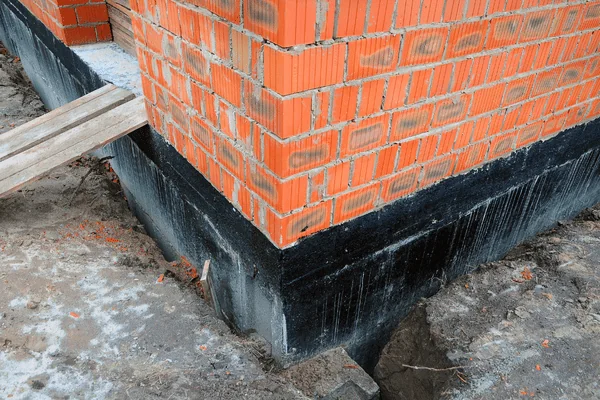
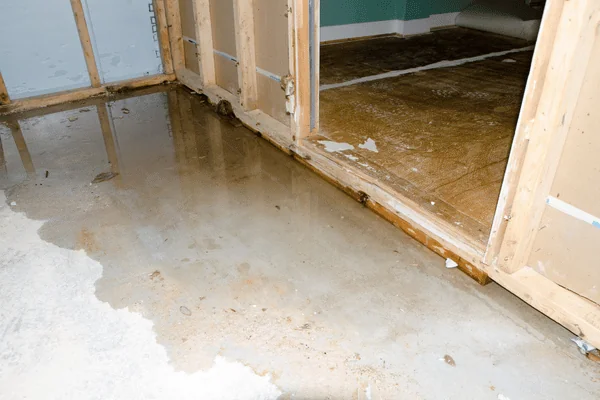
Moisture control is one of the most important parts of any basement renovation. Homes in communities like Cohasset, Scituate, and Marshfield often experience high groundwater and damp foundation walls. Before insulation or framing begins, the foundation should be inspected for leaks, cracks, and efflorescence, and any necessary waterproofing or drainage improvements should be completed.
Insulation and Vapor Control
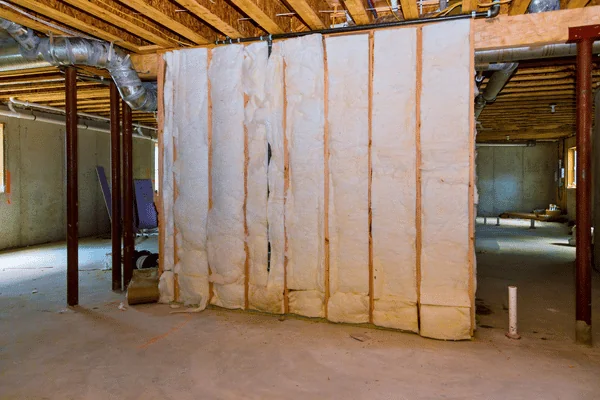
Massachusetts energy codes require basement insulation that meets current efficiency standards. In South Shore basements, rigid foam insulation is often the preferred solution because it helps control moisture, improves energy efficiency, and reduces the risk of mold better than fiberglass installed directly against foundation walls. Proper vapor control is also a key part of passing the insulation inspection.
Understanding these local code requirements before starting your project can help prevent delays, failed inspections, and costly corrections. An experienced South Shore basement contractor can identify potential issues early, obtain the proper basement permit, and help ensure your finished basement is safe, code-compliant, and built to last.

THE ROI OF A PROPERLY PERMITTED FINISHED BASEMENT
A properly permitted basement remodel does more than satisfy local building codes—it protects your investment, improves safety, and adds lasting value to your South Shore home. Completing the required building permit for basement renovations also provides documentation that can make future refinancing or resale much smoother.
Increased Home Value
A finished basement can significantly increase your home’s value when it’s built to code and professionally completed. While finished below-grade space isn’t always valued the same as above-grade living area, buyers and appraisers recognize the added functionality of features like family rooms, home offices, gyms, and guest suites. In high-value South Shore communities such as Hingham, Cohasset, and Milton, a quality basement renovation can provide an excellent return on investment.
A Stronger Selling Point
A completed basement permit shows buyers, lenders, and inspectors that the renovation was properly reviewed and approved. Having closed permits and inspection records reduces uncertainty during the selling process and helps support your asking price. By comparison, unpermitted work often leads to additional inspections, negotiations, repair requests, or closing delays.
Peace of Mind for Years to Come
Beyond resale, obtaining the proper permit to finish a basement gives homeowners confidence that the electrical, plumbing, structural, and safety systems have been inspected to meet Massachusetts code requirements. That peace of mind can help prevent costly surprises and protect one of your home’s most valuable upgrades.
From permit to finish basement upgrades to final approval, experienced local basement renovation services can guide you through every step, making your South Shore basement remodel a smart investment that can be enjoyed for years to come.
Common Basement Permit Mistakes to Avoid
Many permitting issues are avoidable with proper planning. Avoiding these common mistakes can help keep your basement remodel permit on schedule, prevent failed inspections, and protect your investment.
- Starting work before permits are approved. Beginning demolition, framing, or utility work before obtaining a building permit for basement renovations can result in stop-work orders, fines, and costly delays.
- Covering walls before inspections. Drywall should never be installed until rough framing, electrical, plumbing, and insulation inspections have been completed and approved. Covering unfinished work too soon may require opening walls for reinspection.
- Assuming DIY projects don’t require permits. If you’re wondering, “Do I need a permit to finish a basement?” the answer is usually yes—even if you’re doing the work yourself. Most basement finishing projects still require permits and inspections to meet Massachusetts building codes.
- Ignoring moisture or foundation issues. Finishing over damp walls, cracks, or water intrusion can lead to mold, structural damage, and failed inspections. Addressing these issues before construction helps create a safer, longer-lasting finished basement.
- Hiring a contractor who recommends skipping permits. A reputable local contractor will explain the process for finishing a basement, obtain the necessary permits, coordinate inspections, and ensure your renovation complies with Massachusetts code—not suggest shortcuts.
Taking the time to secure the proper basement permit and follow the inspection process can save thousands in future repairs, delays, and legal issues. Working with an experienced South Shore contractor helps ensure your basement renovation is completed safely, efficiently, and fully compliant from start to finish.

Finish Your Basement the Right Way—from the Start
Do you need a permit to finish a basement? The simple and safe answer is yes: you should plan to obtain the proper permits before beginning a South Shore basement remodel.
Obtaining the proper permit to finish a basement is one of the most important steps in protecting your home, your investment, and your family’s safety. By understanding Massachusetts permit requirements and working with experienced professionals, you can avoid costly delays, pass inspections with confidence, and enjoy a finished basement built to last.
Whether you’re planning a family room, home office, guest suite, or complete basement transformation, South Shore Basement Finishing Company can guide you through every step, from moisture evaluation and design to obtaining your basement remodel permit, coordinating inspections, and completing high-quality construction.
Contact us today for a free, no-obligation estimate. We’ll assess your basement, explain the building permit for basement requirements in your town, answer your questions, and provide a clear plan to create a safe, beautiful, code-compliant living space that adds lasting value to your home.
FREQUENTLY ASKED QUESTIONS
What happens if I finish my basement without permits in Massachusetts?
Finishing a basement without the required basement permit can lead to fines, failed inspections, insurance issues, and delays when selling your home. You may have to obtain retroactive permits, open finished walls for inspection, and correct code violations. Obtaining permits upfront is almost always the less expensive option.
How much does a permit to finish a basement cost in Massachusetts?
The cost of a building permit for basement renovations varies by municipality and project size. The building permit alone typically runs $300 to $700, while total permitting costs, including the separate electrical and plumbing permits, usually range from $500 to $1,200. A local contractor can provide a more accurate estimate based on your project.
What can a homeowner do without a permit in Massachusetts?
Cosmetic work like painting, replacing trim, or installing flooring over an existing finished surface typically doesn’t require a permit. However, framing walls, adding electrical or plumbing, installing insulation, or converting unfinished space into living space generally requires a permit to finish a basement.
Can I finish my own basement in Massachusetts?
Yes. Homeowners may finish their own primary residence, but most projects still require a basement remodel permit and inspections. Electrical and plumbing work generally must be completed by licensed professionals, making it important to understand local code requirements before starting.
Do I need a permit to add a bathroom to my basement in South Shore, MA?
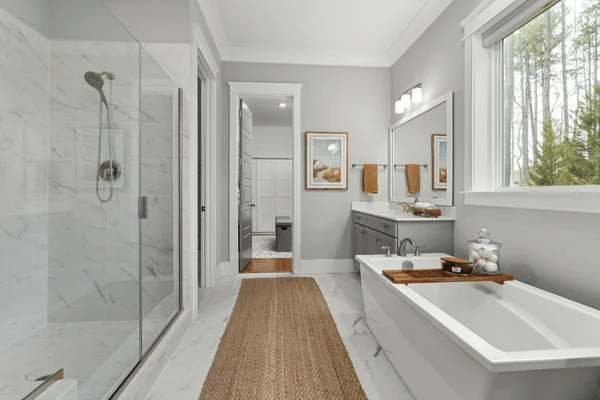
Yes. Adding a basement bathroom requires a building permit, a plumbing permit, and often an electrical permit. Because below-grade bathrooms involve drainage, ventilation, and waterproofing requirements, working with an experienced contractor helps ensure the project meets Massachusetts building codes.
How long does it take to get a basement permit in South Shore, MA?
Most basement permit applications are approved within a few days to several weeks, depending on your municipality, project complexity, and seasonal workload. Planning helps avoid delays and keeps your basement renovation on schedule.
Who pulls the permit—the homeowner or the contractor?
In most cases, the contractor coordinates the building permit for basement renovations and schedules required inspections. Licensed electricians and plumbers typically obtain their own trade permits. Before work begins, confirm who is responsible for permits and ensure they are properly closed at project completion.
Do all finished basements require inspections?
Yes. Most permitted basement renovations require inspections for framing, electrical, plumbing, insulation, and completion. These inspections verify the work meets Massachusetts building codes and help ensure your finished basement is safe, compliant, and ready for long-term use.
Will a finished basement increase my home’s value?
A professionally finished, code-compliant basement can increase your home’s functionality, market appeal, and resale value. While below-grade living space isn’t always valued the same as above-grade space, permitted renovations are typically viewed far more favorably by buyers and appraisers.
Why should I hire a contractor familiar with South Shore basement renovations?
South Shore homes often have older foundations, moisture concerns, and local permitting requirements that require specialized knowledge. An experienced local contractor can identify potential issues early, obtain the proper permit to finish a basement, coordinate inspections, and help keep your renovation on time and on budget.