Skip to content

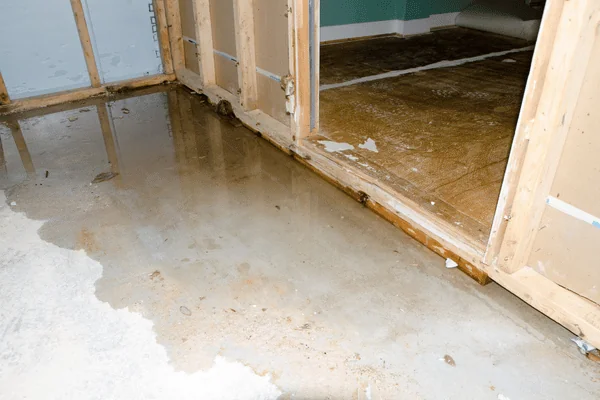
If your basement has ever felt damp, smelled musty, or shown signs of leaks, you know how frustrating it can be. Basement waterproofing isn’t just about keeping water out it protects your home, improves indoor air quality, and can even turn an underused space into something functional.
In this guide, we’ll walk you through basement waterproofing how to, from spotting moisture sources and sealing cracks to choosing the right materials and knowing when it’s time to call a basement waterproofing contractor. By the end, you’ll know exactly how to keep your basement dry, safe, and usable.
Let’s take a closer look at this insightulbasement waterproofing how to now:
Why Basement Waterproofing Matters
Basement waterproofing is more than a maintenance task, it’s an investment in your home’s safety, longevity, and value. Moisture in basements can weaken foundations, cause mold growth, and reduce usable space. By learning how to waterproof your basement, you can avoid minor issues from becoming costly repairs.

Protects Foundation and Structural Integrity
Your foundation supports your entire home, and water infiltration can erode concrete or widen cracks over time. Hiring a waterproofing contractor ensures the work is done correctly. Professionals can assess the foundation, recommend the most effective solutions, and implement long lasting waterproofing measures to maintain your home’s structural integrity.
Prevents Mold, Mildew, and Water Damage
Mold and mildew thrive in damp, poorly ventilated spaces. By addressing moisture through proper waterproofing in basement areas, you create an environment hostile to fungal growth. This protects your family’s health, your home’s materials, and stored belongings from water damage, giving you peace of mind.
Increases Usable Living Space
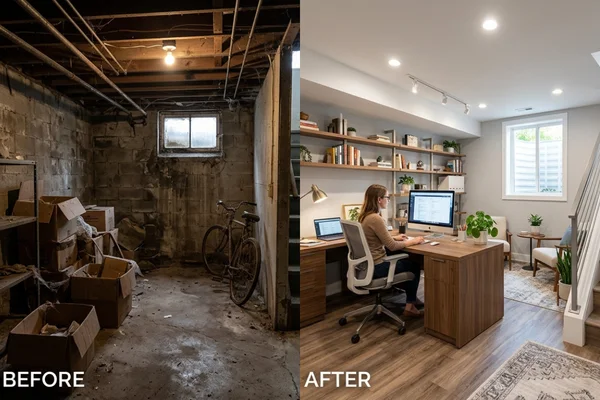
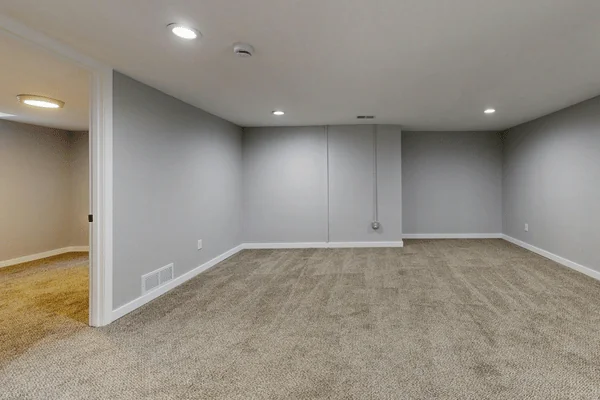
A waterproofed basement transforms from a damp storage area into a functional space. Whether you want a home gym, office, entertainment area, or guest suite, knowing how to waterproof basement spaces opens up new possibilities. This not only enhances daily life but also increases your home’s overall value.
Basement Waterproofing How To: Step by Step
Looking for expert waterproofing in basement spaces? Our basement waterproofing services in the area protect against leaks, mold, and moisture damage. We specialize in local waterproofing for home basements, offering step by step advice on how to waterproof a basement and keep your home dry, safe, and structurally sound year round.
Successfully waterproofing your basement begins with understanding where water is entering and selecting the right solutions.
Step 1 – Identify the Source of Moisture
Start by thoroughly inspecting your basement. Look for:
- Cracks in walls or floors.
- Water stains or discoloration.
- Condensation on pipes or walls.
- Poor drainage around the foundation.
- Signs of mold or mildew.
- Leaky windows.
Pay attention to heavy rainfall or snowmelt patterns, as water may enter during these events. Identifying the source is critical for choosing the correct waterproofing method.
Step 2 – Seal Cracks and Gaps
Sealing cracks and gaps is a key step in preventing water intrusion. Steps include:
- Inspect all basement windows, doors, and wall junctions for gaps.
- Use caulk for small cracks and foam sealant for larger openings.
- Apply hydraulic cement in areas with consistent water seepage.
- Check drainage and ensure water flows away from the foundation.
Proper sealing ensures moisture doesn’t find weak points in your basement.
Step 3 – Improve Drainage Around the Home
Water can accumulate near your foundation without proper drainage. To secure your basement:
- Clean and maintain gutters and downspouts.
- Grade the soil to slope away from the foundation.
- Extend downspouts to divert water farther from the house.
- Consider French drains or other drainage systems.
By controlling the flow of water, you reduce the risk of leaks, flooding, and foundation damage.
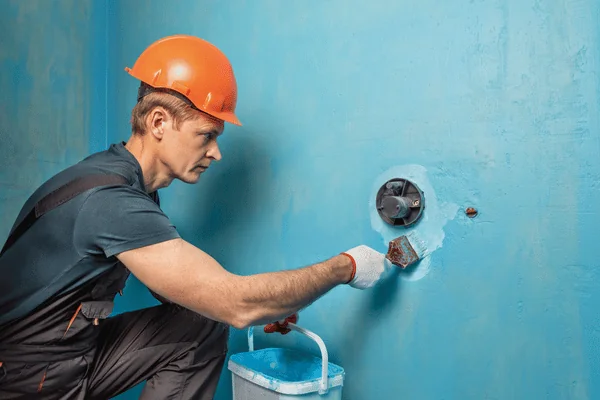
Step 4 – Apply Waterproof Coatings
Once drainage is addressed, applying waterproof coatings adds a protective barrier. Options include:
- Liquid rubber membranes.
- Cementitious waterproofing.
- Bituminous coatings.
- Elastomeric coatings.
- Polyurethane sealants.
Interior sealants and exterior membranes work best in combination. Persistent moisture may require additional solutions, such as a sump pump.
Step 5 – Install a Sump Pump (If needed)
A sump pump is invaluable for basements prone to flooding. Benefits include:
- Reducing humidity and dampness.
- Preventing mold and mildew growth.
- Minimizing water damage risks.
- Providing peace of mind.
Installing a sump pump ensures lasting protection during heavy rains or snowmelt.
How Much Does Basement Waterproofing Cost?
Learning how to waterproof basements also involves the job of considering prices. Costs can vary widely depending on your home’s size, the extent of water damage, and the waterproofing methods you choose. Heres what you need to know to apply this insightful basement waterproofing how to for your own basement finishing project:
National Average Price Ranges
On average, homeowners spend between $1,500 and $5,000 on basement waterproofing, though costs can go higher for larger or more complex projects. More comprehensive systems, such as interior drainage, sump pump installation, or exterior waterproof membranes, can raise the investment but also provide stronger overall insulation.
Factors That Affect the Cost
Several elements can impact your overall waterproofing expenses:
- Basement size and layout: Larger or multi room basements require more materials and labor.
- Severity of water issues: Chronic leaks or foundation cracks often need advanced solutions.
- Chosen waterproofing method: Interior coatings cost less than full scale exterior systems.
- Local rates and costs: Rates can vary depending on your region, materials, and project.
- Accessibility: Tight or hard to reach areas can increase installation time and costs involved.
Why Hiring Professionals Can Save You Money Long Term
Hiring experts ensures durable solutions and prevents recurring problems. High quality materials and proper techniques minimize repairs and extend the lifespan of your basement waterproofing.
DIY Waterproofing vs. Hiring a Basement Waterproofing Contractor
Choosing between DIY and professional waterproofing depends on your budget, time, and the severity of the problem.
Cost Comparison
When evaluating the cost of basement waterproofing, consider both the materials and time required for a DIY project versus hiring a professional. While doing it yourself can lower upfront expenses (from $100 to $1,000 depending on the method), professional waterproofing typically provides more permanent protection and fewer future repairs.
DIY Considerations
DIY methods can save money, but require:
- Knowledge of proper techniques and materials.
- Time for preparation and application.
- Awareness of safety and local building codes.
Sometimes, even after applying sealants, using dehumidifiers, or cleaning regularly, moisture problems persist. If you still notice mold and mildew despite DIY efforts, it’s a sign that water may be entering from deeper structural points.
Benefits of Hiring a Professional
A basement waterproofing contractor brings expertise, advanced tools, and familiarity with local codes. Professionals can:
- Identify hidden moisture sources.
- Recommend the best waterproofing method.
- Ensure long term, reliable results.
Though more costly upfront, professional waterproofing often saves money and stress over time.
When to Call a Basement Waterproofing Contractor
If you’ve been dealing with persistent dampness, musty odors, or visible water stains in your basement, it may be time to call a waterproofing contractor. Watch for these common warning signs as you go through your basement waterproofing how to:
- Cracks in walls or floors: Even small cracks can allow water to seep in and compromise your foundation.
- Persistent leaks or flooding: Ongoing water intrusion means moisture has already found its way through, requiring immediate attention.
- High humidity or condensation: Persistent damp air can encourage mold growth.
- Mold or mildew smells: This indicates trapped moisture and poor ventilation.
- Efflorescence or white residue on walls: This chalky buildup indicates that water is evaporating through your masonry.
- Large cracks or foundation shifting: These signs of movement or settling can threaten your home’s structure and should be addressed promptly.
Basement Waterproofing How To – Final Thoughts

Effective basement waterproofing how to practices are essential for maintaining a safe, dry, and functional home. By identifying moisture sources, sealing gaps, improving drainage, and applying the right coatings, you can protect your foundation and prevent costly damage. Whether you tackle it yourself or hire a contractor, addressing issues like persistent leaks or mold promptly ensures long term results.
Professional waterproofing in basement areas helps prevent costly water damage. Trust our basement waterproofing services in the area for reliable, long lasting protection. Whether you need local waterproofing for home basements or guidance on how to waterproof a basement, our experts ensure your foundation stays dry and secure through every season.
Ready to protect your home with expert basement waterproofing? Contact our trusted basement waterproofing contractors today for a free consultation and keep your basement dry, safe, and usable year round!
Frequently Asked Questions
1. What materials work best for DIY basement waterproofing?
For small DIY projects, use waterproof sealant or paint for walls, hydraulic cement for cracks, and a moisture barrier for floors. Adding a dehumidifier and ensuring proper drainage around your foundation can also make a big difference. However, for persistent leaks or extensive dampness, it’s best to consult a professional.
2. How long does basement waterproofing last?
The lifespan depends on the method and materials used. Interior sealants may last 5 to 10 years, while full drainage systems can last 20 years or more with proper maintenance. Regular inspections help catch small issues before they turn into expensive repairs.
3. Can basement waterproofing be done in winter?
Yes, but with care. Some products don’t cure well in very cold temperatures, so check the manufacturer’s recommendations. Professionals often use cold weather formulas or schedule interior work when exterior waterproofing isn’t practical during the winter months.
4. What are the warning signs of waterproofing failure?
Common indicators include musty smells, peeling paint, white residue (efflorescence), and visible cracks or damp patches on walls or floors. If water pools after rain or humidity rises suddenly, it may be time to revisit your waterproofing system.
5. Are there eco-friendly basement waterproofing options?
Yes. Eco friendly options include water based sealants with low VOCs, clay based coatings, and recycled rubber membranes. These sustainable materials protect your basement while reducing environmental impact.
6. When should I hire a basement waterproofing contractor?
If you’ve tried DIY methods without success or notice ongoing leaks, mold growth, or foundation cracks, it’s time to call in a professional. Experts can perform a full inspection, identify hidden issues, and recommend the best long term solution for your basement waterproofing plan.