Skip to content

If you’ve been thinking about turning your basement into a bedroom, one of the first questions on your mind is probably: how much is this going to cost? The truth is that costs can vary widely depending on your basement’s current condition, the size of the space, local labor rates, and whether you hire professionals or take on some of the work yourself.
Knowing how to turn a basement into a bedroom is important to completing such a project successfully. Understanding the main cost drivers before starting can help you budget effectively, avoid surprises, and make smart choices when transforming your basement.
Do you want to turn an unfinished basement into a bedroom? That’s why in this guide, we’ll break down expense estimates, highlight what upgrades are essential versus optional, and provide practical tips to help you save money without sacrificing safety or quality.
Let’s take a deeper dive into the details of how to turn a basement into a bedroom in Boston!
Breaking Down the Cost to Add a Bedroom in the Basement
Converting a basement involves several layers of work, some you can’t skip, others you can customize. Recognizing what’s essential versus optional is key to planning your budget.

Essential vs. Optional Upgrades
When turning an unfinished basement into a bedroom, essential upgrades can include:
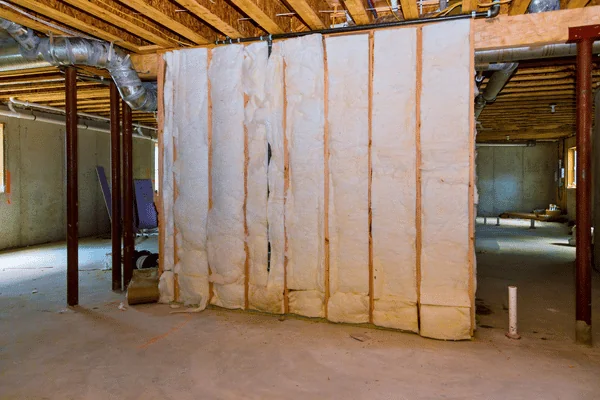
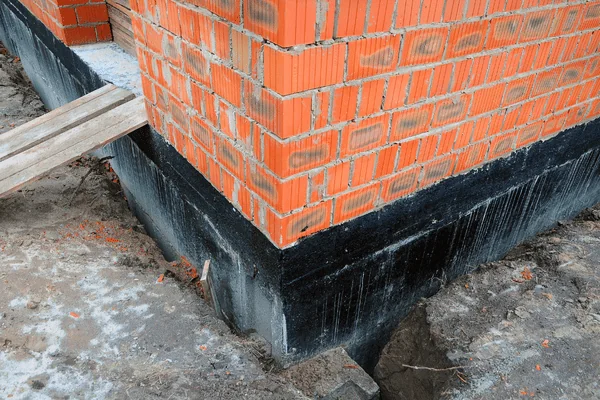
- Proper insulation and moisture barriers.
- Egress windows for safety and code compliance.
- Electrical wiring and outlets.
- Heating and cooling solutions.
Optional upgrades, like high end flooring, custom lighting, or built in storage, can enhance the space but aren’t required for functionality or safety. Focus on the essentials first, this ensures your project meets local codes and is comfortable all year.
Regional Cost Variations
Labor and material costs vary widely depending on your location. Urban areas often carry higher labor rates and permit fees, while rural regions may be more budget friendly. These regional differences can significantly impact your overall cost of adding a bedroom in a basement, so it’s worth obtaining local estimates early.
DIY vs. Professional Installation Costs
DIY projects can save on labor but require time, skills, and safety precautions, especially when dealing with electrical or plumbing systems. Professional services may cost more upfront, but they guarantee code compliance, quality workmanship, and peace of mind. Balancing your budget, timeline, and expertise will help determine the right approach.
Key Factors That Impact Your Basement Bedroom Transformation Budget
Several factors directly affect the cost of transforming your basement into a bedroom:
Current Basement Condition Assessment
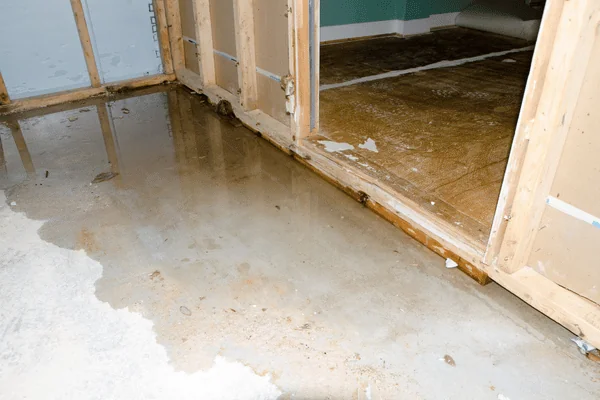
Evaluating your basement’s current condition is crucial for determining your budget for transforming it into a bedroom. Look for signs of moisture, structural issues, and adequate insulation. Addressing any existing problems before starting your project will help guarantee a smooth process and prevent unexpected expenses.
Size and Layout Considerations
A larger space typically requires more materials and labor, resulting in increased basement finishing & remodeling costs. Additionally, an open layout may reduce charges by minimizing walls, while a complex design can complicate installation. Consider how the space will function and flow to help optimize your basement finishing budget effectively.
Local Building Codes and Permit
Permits are essential for structural changes, plumbing, electrical work, and egress windows. Failing to comply can result in fines or unsafe living conditions. Research your local regulations early, and be aware that permit costs can add anywhere from $500 to $2,000, depending on the work.
Essential Systems: Electrical, Plumbing, and HVAC Costs
When transforming your basement into a bedroom, you’ll need to consider essential systems, such as electrical, plumbing, and HVAC, to ensure comfort and safety.

Electrical Upgrades for Bedroom Safety
Expect to install GFCI outlets, update circuits to accommodate higher wattage needs, and add sufficient lighting. These upgrades prevent hazards and make the space comfortable. Typical costs range from $1,000 to $3,000, depending on the size of your basement.
Plumbing Considerations
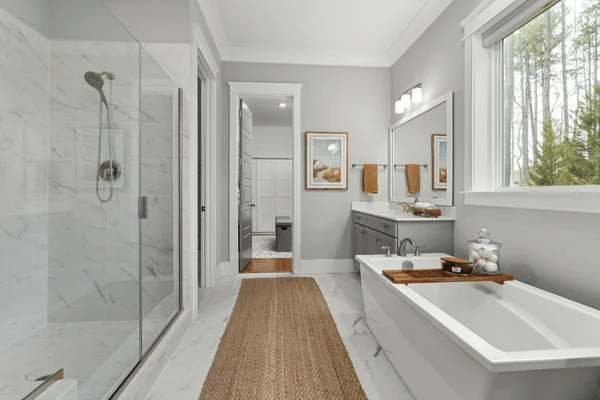
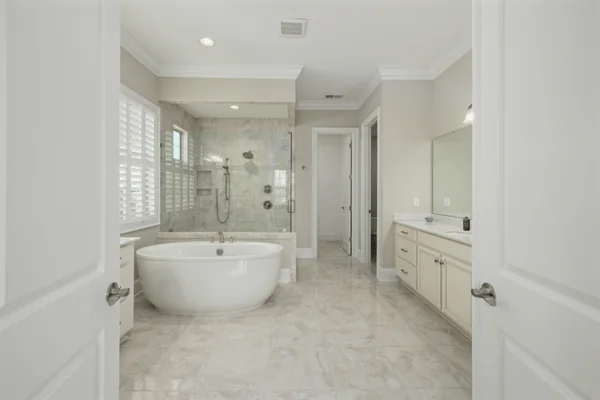
If you plan to add a bathroom or wet bar, new plumbing will be required. This includes pipes, drainage, and ventilation. Hiring a licensed plumber is crucial, improper installation can lead to leaks or water damage. Costs usually range from $1,500 to $5,000.
Heating and Cooling Solutions
Basement bedrooms often require supplemental heating and cooling. Options can include:
- Ductless mini-splits ($3,000–$5,000 installed).
- Extending your existing HVAC system ($1,500–$4,000).
- Adding insulation for temperature control (varies by size and materials).
Choosing the right solution affects both your comfort and your energy bills.
How Much Does It Really Cost to Turn an Unfinished Basement Into a Bedroom?
On average, a project to turn a basement into a bedroom can cost between $15,000 and $30,000, depending on the space’s size, your location, and the quality of materials chosen. This estimate typically includes insulation, flooring, drywall, electrical upgrades, plumbing (if adding a bathroom), and basic finishes. Several factors can push the cost higher:
- Addressing structural issues or water problems.
- Adding high end finishes.
- Complex layouts or large spaces.
- Urban labor rates or permit fees.
Smart Ways to Save Money When Transforming Your Basement Into a Bedroom
Transforming your basement does not have to be expensive. By strategically phasing your project, selecting the right materials, and maximizing your return on investment, you can save a significant amount. Let’s explore some innovative ways to keep costs down while still achieving your dream space:
Strategic Phasing of Your Project
As you plan your basement conversion into a cozy bedroom, break your project into manageable steps to spread costs:
- Address structural and moisture issues first.
- Upgrade electrical and plumbing systems.
- Finish with flooring, paint, and fixtures.
Material Selection and Sourcing Tips
Choose durable, budget friendly options like laminate flooring, standard fixtures, or pre owned furniture. Look for sales, clearance items, or online marketplaces for affordable, high quality materials.
Maximizing ROI on Your Investment
To maximize your ROI, consider these innovative strategies:
- Utilize energy efficient lighting and insulation to minimize long term utility expenses.
- Prioritize quality materials in essential areas.
- Ensure your finished basement complies with local building codes to add value to your home and enhance its overall appeal.
Common Mistakes That Can Blow Your Basement Bedroom Budget
When turning your basement into a bedroom, it’s easy to overlook key steps that can cost you in the long run. Let’s look at these common mistakes and how to avoid them.
Skipping Professional Inspections
Although it might seem like a way to save money, skipping professional inspections can lead to costly mistakes in your basement bedroom project. Ignoring this step might result in:
- Hidden structural issues.
- Poor ventilation and moisture problems.
- Code violations that require expensive fixes.
Underestimating Timeline and Complexity
One common mistake homeowners make is underestimating the timeline and complexity of the project. Unexpected plumbing or electrical work can extend timelines and increase costs, plan for potential delays to prevent stress and budget overruns.
Why South Shore Climate Calls for Local Expertise in Basement Remodels
If you’re planning to turn a basement into a bedroom, hiring contractors who understand the region’s unique climate is essential. A contractor familiar with these conditions will know how to install proper drainage systems, vapor barriers, and insulation materials that protect against both freezing winters and damp, sticky summers.
Local professionals are also well versed in South Shore’s strict building codes, especially when adding egress windows or making structural changes. This ensures your project not only meets legal requirements but also maximizes safety and comfort. Choosing experts who specialize in South Shore remodels helps guarantee your investment in transforming a basement into a bedroom space is durable, efficient, and designed for the local environment. In short, working with local contractors safeguards both your home’s value and your peace of mind.
Conclusion – Making Your Basement Bedroom Vision a Reality
Turning a basement into a bedroom can be a rewarding investment for your home’s comfort and value. Understanding costs, prioritizing essential upgrades, and planning carefully will help you manage your budget effectively. Keep safety, code compliance, and proper ventilation in mind when planning your renovation.
Ready to transform your basement into the perfect bedroom? Get free quotes from local basement contractors today and turn your vision into reality with confidence. Call today to learn how to turn a basement into a bedroom, and let us help you throughout the process from start to finish!
Frequently Asked Questions
1. Do I need a permit to convert my basement into a bedroom?
Yes. Most municipalities require permits for basement conversions to ensure safety and compliance with building codes. You’ll need to meet criteria such as proper egress windows, ventilation, and ceiling height. Skipping this step can lead to fines or complications when selling your home, so always check your local regulations before starting.
2. How long does the basement conversion process typically take?
A typical basement conversion can take anywhere from a few weeks to a couple of months, depending on space size, complexity, and required inspections. Permits, professional scheduling, and unforeseen issues can affect timelines. Planning and staying organized help keep the project on track.
3. Can I DIY my basement bedroom project?
Yes, if you have the skills and time, DIY is possible and can save money. You’ll need to manage insulation, flooring, electrical work, and lighting while adhering to local building codes and obtaining necessary permits. Proper planning ensures your space is safe, functional, and comfortable.
4. What are the zoning regulations for basement bedrooms?
Zoning rules vary by area but often cover ceiling height, window sizes, ventilation, and egress requirements. Check with your local zoning office to confirm if residential use is allowed and to avoid fines or future complications.
5. Will a basement bedroom increase my home’s value?
Absolutely. Adding a basement bedroom creates additional living space, which appeals to buyers as a guest room, office, or for potential rental income. Ensuring proper lighting, ventilation, and code compliance maximizes both comfort and resale value.
6. How much does it cost to convert a basement into a bedroom?
On average, costs range from $15,000 to $30,000, depending on the size, condition, and upgrades such as electrical, plumbing, and HVAC. Planning for essentials first and budgeting for surprises helps prevent overspending while creating a functional, safe space.