Skip to content

Choosing the right basement ceiling can dramatically change how the space looks, feels, and functions. The best ceiling options for basement remodels balance appearance, durability, accessibility, and moisture resistance. This is especially true for South Shore, MA homes where humidity, coastal weather, and aging construction often create unique finishing challenges.
Many homeowners also have questions as they explore the different ceiling ideas for basement renovations. These options are often designed to improve lighting, reduce noise transfer, and maximize ceiling height without sacrificing access to plumbing or electrical systems. Local basement contractors can help you piece together all the factors and weigh all the options- making it easier for you to find the best ceiling option for your new basement living space.
The ceiling is one of the most important decisions in any basement finishing project because it affects everything from room comfort to long-term maintenance. A well-designed ceiling can make a basement feel taller and brighter, help control sound between floors, and provide easier access to utilities when repairs are needed. In Massachusetts, especially on the South Shore, homeowners must also consider local building codes, older framing conditions, and moisture exposure before selecting materials.
Many homeowners are surprised how much ceiling height, moisture exposure, and utility access affect the final result. Evaluating these factors early helps prevent expensive changes later. This guide explores the most practical ceiling ideas for basement spaces in 2025, including suspended ceilings, drywall, exposed painted ceilings, wood finishes, and modern acoustic systems. You’ll also find updated cost expectations based on current South Shore, MA labor and material pricing, helping you choose the right solution before construction begins.
How to Choose: Four Questions to Ask First

With so many basement ceiling options available today, the right choice ultimately depends on your home’s structure, moisture conditions, and how you plan to use the finished space. Before selecting a material or ceiling style, South Shore, MA homeowners should answer these four questions first — they will quickly determine which solutions are practical, cost-effective, and durable for your basement. The best basement ceiling options depend on your home’s layout, humidity levels, and long-term maintenance needs — not just appearance or upfront installation cost.
How Much Headroom Do You Have?
Ceiling height is one of the biggest factors when comparing basement ceiling options. Massachusetts building code generally requires a minimum finished ceiling height of 6 feet 8 inches for habitable basement areas. Every ceiling system reduces available clearance to some degree. Drywall ceilings typically require framing that lowers the height by 2 to 3 inches, while suspended or drop-ceiling systems often require 3 to 4 inches of clearance below the joists. If your basement already has limited height, low-profile or exposed ceiling designs may be the better fit.
How Often Will You Need Access to Utilities?
Most basement ceilings contain plumbing lines, electrical wiring, ductwork, shutoff valves, or HVAC components. Some ceiling materials provide much easier access than others. Drywall creates a clean, finished appearance but can make future repairs more expensive because sections must be cut open and patched afterward. Drop ceilings and removable ceiling panel systems allow homeowners or contractors to quickly access utilities without damaging the finished ceiling. Keeping utilities access in mind can help improve the final choice and the end results for the basement space.
Does Your Basement Have a Moisture History?
Moisture exposure is a major concern in many South Shore communities, particularly in coastal towns such as Scituate, Marshfield, Hull, and Cohasset. High water tables, humid summers, and seasonal temperature swings can cause serious problems for moisture-sensitive materials. Standard drywall and basic mineral fiber ceiling tiles can absorb moisture, sag, stain, or support mold growth over time. In these conditions, moisture-resistant basement ceiling options such as PVC tiles, treated drywall, metal systems, or specialized acoustic panels are often the safest long-term investment.
What Will the Basement Be Used For?
The intended purpose of the basement should heavily influence your ceiling selection. A home theater or media room may benefit from acoustic ceiling tiles that reduce sound transfer. Family rooms, guest suites, and home offices often look best with drywall or decorative wood plank ceilings that create a more finished residential appearance. Utility rooms, workout spaces, or workshop-style basements may work perfectly well with a painted exposed ceiling, which keeps costs down while preserving ceiling height and utility access.
The 6 Best Basement Ceilings – Options for South Shore, MA Homes
Comparing basement ceilings side-by-side makes it easier to understand how different materials perform in real South Shore, MA basements. The chart below breaks down installation cost, moisture resistance, utility access, and the best use cases for each ceiling style. Choosing the wrong basement ceiling can lead to future repair issues, moisture problems, or failed inspections. A professional assessment helps identify the safest long-term solution before work begins.
Let’s take a closer look now at what ceiling for basement options are best for local Massachusetts homes.
| Option | Cost / sq ft (MA) | Utility Access | Moisture Resistance | Best For |
| Drywall | $2–$5 | ❌ Low | ⚠️ Moderate | Family rooms, bedrooms, home offices with higher ceilings |
| Drop Ceiling / Tiles | $3–$7 | ✅ High | ⚠️ Varies by tile | Utility-heavy basements, media rooms, offices |
| Painted Exposed | $1–$2 | ✅ Full | ✅ High | Low budgets, industrial or modern aesthetic, low clearance basements |
| Wood Planks | $4–$8 | ⚠️ With panels | ⚠️ Use engineered wood | Bars, game rooms, high-end finishes |
| PVC / Vinyl Tiles | $2–$5 | ✅ High | ✅ Excellent | Coastal South Shore towns, fieldstone basements, high-humidity spaces |
| Beadboard | $3–$6 | ❌ Low | ⚠️ Moderate | Traditional New England style, playrooms, laundry rooms |
Ceiling installation costs can vary based on ductwork complexity, ceiling height, lighting integration, utility access requirements, and whether moisture remediation is needed before finishing begins.
At a quick glance, you can anticipate prices that coincide as follows:
Painted exposed = cheapest
Drywall/PVC = mid-range
Drop ceiling/Tile = moderate
Wood/Beadboard = premium
1. Drywall — The Most Seamless Finish
Drywall creates a smooth, permanent ceiling that looks like a natural extension of the rest of your home. Once taped, mudded, and painted, nothing else matches it for that polished, finished look. Drywall is growing in popularity among homeowners looking at ceiling for basement options. Combined with insulation batts between floor joists, it’s also the best option for soundproofing a basement that sits below a busy main floor.
The trade-off is access. Every plumbing repair or electrical inspection means cutting through finished drywall. For that reason, we generally recommend drywall in basements with infrequent utility access needs — or where we can frame around mechanical areas to leave access panels. In South Shore,, MA, expect $2–$5 per square foot for materials and installation, but this is a baseline estimate and can be affected by several factors. To learn about basement soundproofing, finishing, and drywall applications, check out this other blog:
2. Drop Ceiling-Basement Ceiling Tiles (Ceiling Tiles for Basements) — The Practical Choice
Among the most common basement ceiling options, drop ceilings remain one of the most practical solutions for local homeowners. A suspended ceiling system uses a lightweight metal grid installed below the floor joists, with removable ceiling tiles placed inside the framework. The biggest advantage is accessibility — tiles can easily be lifted whenever plumbing, electrical wiring, HVAC ducts, or shut-off valves need servicing. Let’s take a closer look at what is involved with installing drop ceiling in basement spaces:
In older Massachusetts homes where utilities are often densely packed into basement ceilings, that flexibility can save homeowners significant time and repair costs later. If you are looking for some help and guidance with installing a drop ceiling in basement spaces, we are here to help, from start to finish.
For many homeowners, installing basement ceiling tiles is the best balance between appearance, maintenance, and long-term practicality. Unlike drywall ceilings, which require cutting and patching during repairs, suspended systems allow contractors to access utilities without demolition. This is especially valuable in finished basements that may eventually need plumbing upgrades, electrical work, or HVAC maintenance.
In coastal communities throughout the South Shore, suspended ceiling systems are particularly popular because they perform well in basements with complex ductwork layouts or potential moisture concerns. Depending on the tile material, ceiling height, and framing complexity, installing a drop ceiling in basement projects across South Shore, MA typically costs between $3 and $7 per square foot installed.
For a more detailed breakdown of materials, installation methods, and design options for ceiling tiles for basements, read the Complete drop ceiling installation guide. All of your questions, from learning about installing drop ceiling in basements to how to maintain your basement ceilings, are here!
3. Painted Exposed Ceiling — The Trending Option
Leaving the structural elements visible and painting everything a uniform color — most often matte black or bright white — has become one of the most popular basement ceiling choices in 2025 and 2026. Matte black is particularly effective: it makes pipes, ducts, and joists visually recede, making the space feel taller than it is. Bright white does the opposite, maximizing light reflection in below-grade spaces that rely on artificial lighting.
For South Shore basements with tight clearance, this is often the most practical option — you add zero inches to your ceiling height, costs stay at $1–$2 per square foot, and utility access is permanently preserved. The only requirement is a careful prep job: every surface needs to be cleaned and primed before painting for a result that looks intentional rather than unfinished.

4. Wood Plank Ceiling — Warmth and Character
Tongue-and-groove wood planks add warmth and architectural detail that no other material quite replicates. They work particularly well in basement bars, game rooms, and high-end family rooms where the goal is creating a space that feels nothing like a basement. Planks can be stained, painted, or left in natural finishes, and the linear pattern visually elongates low-ceilinged rooms.
In New England’s humidity, material selection matters: engineered wood and moisture-resistant species outperform untreated pine in below-grade environments. South Shore installation costs typically run $4–$8 per square foot. Wood planks can be installed with removable sections over key utility access points, which we design into every wood ceiling project we complete.
5. PVC and Vinyl Ceiling Tiles — The Smart Choice for Coastal Homes
PVC ceiling tiles are the most moisture-resistant option on this list — and for homeowners in Scituate, Marshfield, Hull, Cohasset, and other coastal South Shore towns with high water table exposure, they’re frequently the right call. PVC panels won’t sag, stain, or support mold growth even if a pipe leaks above them, and they wipe clean easily.
Modern PVC tiles come in a wide range of finishes, including styles that convincingly mimic tin, coffered wood, and architectural millwork. They install into a standard drop-ceiling grid, preserving utility access. Costs in the local Massachusetts area typically run $2–$5 per square foot, making them competitive with drywall while offering significantly better moisture performance.
6. Beadboard — A New England Classic
Beadboard is a traditional tongue-and-groove paneling with a ridged profile that suits the architectural character of many South Shore homes. It installs quickly, creates a finished look without the labor demands of drywall, and works particularly well in laundry rooms, playrooms, and informal basement spaces where a crisp, clean look matters more than soundproofing.
The limitation is the same as drywall: once installed, utility access requires panel removal. For that reason, beadboard works best in basements where utilities are well-mapped and access needs are predictable. South Shore installation costs can typically run $3–$6 per square foot for average-level materials.
Every South Shore basement has different clearance, ductwork, and moisture conditions. Reviewing those details up front helps homeowners choose a ceiling system that performs well over the long term. If you are unsure which basement ceiling fits your home, a local evaluation can help identify the best balance of appearance, durability, utility access, and code compliance.
What South Shore, MA Homeowners Need to Know

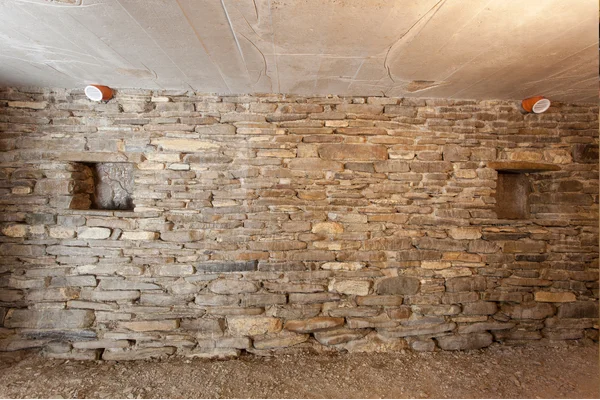
Choosing a basement ceiling in Massachusetts differs from doing so in a drier, inland market. Whether you are looking for a simple basement finishing upgrade or finishing a fieldstone basement in South Shore, MA, our team is here to help.
Three local factors consistently affect which options are appropriate for South Shore homes:
Older home construction
A significant portion of South Shore homes — particularly in Quincy, Weymouth, Braintree, Hingham, and Plymouth — were built before 1960. These homes often have lower basement ceiling heights, irregular joist spacing, and fieldstone or block foundations, which can affect moisture levels differently than modern poured-concrete foundations. Any ceiling material needs to account for the moisture behavior of the foundation below it, not just the ceiling height above.
One of the most common mistakes we see in older Massachusetts basements is installing standard drywall or low-grade ceiling tiles without accounting for humidity fluctuations. The ceiling may look fine initially, but sagging, staining, or mold issues often appear within just a few seasonal cycles.
Coastal moisture and humidity
Towns along the South Shore coastline and near tidal rivers experience higher ambient humidity than inland Massachusetts. This narrows the appropriate ceiling materials to standard mineral-fiber drop tiles, untreated drywall without proper moisture barriers, and natural wood, which can degrade within a few years in these environments without proper sealing.
In many South Shore basements, we find moisture issues that homeowners never realized were affecting the ceiling area — including condensation around ductwork, hidden rim-joist humidity, or minor seepage near foundation walls. That’s why moisture testing is one of the first things we check before recommending any ceiling material.”
Massachusetts code minimum
Massachusetts building code sets a minimum finished ceiling height of 6 feet 8 inches for habitable basement space. Drop ceiling grids reduce clearance by 3 to 4 inches; drywall framing by 2 to 3 inches. If your unfinished basement sits between 7 feet and 7 feet 6 inches — common in South Shore homes from the 1950s and 1960s — the ceiling choice directly determines whether the space qualifies as legal, livable square footage.
We measure and confirm ceiling clearance during every estimate so homeowners know upfront which basement ceiling options will meet Massachusetts code requirements before finishing work begins. Adhering to local and state building codes helps protect homeowner safety, avoid failed inspections, preserve property value, and ensure finished basement spaces qualify as legal living areas.
South Shore Basement Finishing serves Quincy, Hingham,Weymouth, Braintree, Scituate, Marshfield, Plymouth, and all surrounding South Shore MA towns.
Frequently Asked Questions
What is the best ceiling option for a basement?
The best basement ceiling tiles depend on your priorities. Drywall provides the most polished, permanent finish, but limits access for utility work. Drop ceiling tiles are best when maintenance access matters. Painted exposed ceilings are the most budget-friendly and lowest-clearance option. For moisture-prone South Shore basements, PVC ceiling tiles offer the best long-term durability.
What can I use instead of drywall in my basement ceiling?
Strong alternatives to drywall for basement ceilings include drop ceiling tiles (easy utility access), PVC panels (moisture-resistant and mold-proof), wood planks (warm aesthetic), beadboard (classic New England style), and painted exposed ceilings (industrial look, lowest cost). The right ceiling options for basement areas depend on your ceiling height, moisture conditions, and how the space will be used.
What is the new trend for ceilings?
In 2025 and 2026, the most popular basement ceiling trends include painted exposed ceilings — especially matte black — for an intentional industrial look. Other popular options include wood-plank ceilings for warmth and character, and integrated LED recessed lighting systems built into drop-ceiling grids. Homeowners are also moving away from standard mineral fiber drop tiles toward PVC and acoustic tile options that perform better and look more polished.
How can I cover my basement ceiling?
The most effective ways to cover a basement ceiling include: installing a drop ceiling grid with tiles, framing and drywalling for a seamless finish, adding tongue-and-groove wood planks, applying PVC or vinyl panel systems, or painting all exposed beams, pipes, and ductwork a single color. A licensed basement ceiling contractor can assess your ceiling height, ductwork layout, and moisture conditions to recommend the right solution for your specific home. Working with local basement finishing experts is the best way to learn how to install basement ceiling features.
Choosing the right ceiling system requires more than just picking a material — it takes understanding moisture conditions, ceiling clearance, utility access, and Massachusetts code requirements. Experienced basement ceiling contractors can help you avoid costly mistakes and recommend solutions that fit your South Shore home long-term.
Key Takeaways: Choosing the Right Ceiling Options for Basement Projects
- The best basement ceilings balance appearance, utility access, moisture resistance, ceiling height, and long-term maintenance needs.
- Drywall ceilings provide the cleanest finished appearance and strongest soundproofing but make future plumbing or electrical access more difficult.
- Drop ceilings and basement ceiling tiles remain one of the most practical choices for South Shore MA homes because they allow easy utility access.
- Painted exposed ceilings are one of the most cost-effective options and work especially well in low-clearance basements.
- PVC ceiling tiles perform best in moisture-prone basements because they resist sagging, staining, and mold growth.
- Wood plank ceilings create a warmer, high-end appearance but require moisture-resistant materials in below-grade environments.
- Older South Shore homes often have lower ceiling heights, irregular framing, and higher humidity exposure that affect which ceiling systems are appropriate.
- Massachusetts building code generally requires a minimum finished basement ceiling height of 6 feet 8 inches for habitable living spaces.
- Moisture testing, ceiling clearance measurements, and utility planning should happen before selecting a basement ceiling material.
- Working with experienced basement ceiling contractors helps homeowners avoid costly repairs, failed inspections, and moisture-related ceiling damage later.
| Not sure which basement ceiling is right for your home?South Shore Basement Finishing provides free estimates across Quincy, Hingham, Weymouth, Braintree, Scituate, Marshfield, Plymouth, and all surrounding South Shore MA towns. We assess ceiling height, moisture conditions, and ductwork layout before recommending a material — so you get the right ceiling for your specific basement. Let us show you why we are the name local homeowners trust for reliable, local basement ceiling contractors. |