Skip to content

Basement water damage often starts with subtle signs, such as musty odors, mold spots, or small cracks that are easy to overlook. However, these minor issues can quickly escalate into costly repairs and serious health risks if ignored.
Recognizing early indicators is key to protecting your home and maintaining a safe, dry space. Whether you’re dealing with occasional dampness or something more serious, understanding what to watch for can make all the difference. Visit our latest blog to learn how to spot the warning signs and take action.
Why Recognizing Early Signs of Basement Water Damage Matters
Early signs of water damage in the basement are essential for protecting your home and wallet. You can prevent costly structural repairs and avoid health hazards like mold growth by catching issues before they escalate. Staying vigilant saves you money and keeps your living space safe.

Preventing Costly Structural Repairs
Moisture problems in the basement often begin subtly but can escalate into serious structural concerns if left unaddressed. Cracks, damp walls, or musty odors are early warning signs that something isn’t right. These issues can indicate potential foundation damage, which may lead to expensive repairs in the future.
Conducting regular basement inspections and timely waterproofing helps safeguard your home’s structure. By addressing moisture issues early, you can avoid significant repair costs and maintain your property’s long-term value.
Avoiding Health Hazards Like Mold Growth
Water in basement areas can create the ideal conditions for mold growth, especially when moisture issues are left unchecked. Musty smells, damp surfaces, and increased humidity often signal a developing problem. Mold can spread quickly and lead to respiratory issues, allergies, and other health concerns.
Regular inspections, proper ventilation, and timely repairs prevent these risks. Address moisture problems early to protect your home and safeguard your family’s well-being from potential mold-related hazards.
Common Signs of Water Damage in the Basement
Are you noticing musty smells, damp air, or wall stains? These are common signs of water damage in basement spaces. Ignoring them can lead to bigger problems. Learn what to look for and protect your home from costly repairs.
- Musty Odors and Damp Air: Musty odors and damp air are common indicators of moisture issues and may suggest mold growth. Don’t ignore them, these signs could mean there’s water already present in your basement.
- Stained Walls or Efflorescence: Stained walls or a white, chalky buildup may be signs of moisture problems. These marks are often early indicators of water intrusion. When you notice them, check for unwanted moisture in basement corners or cracks.
- Cracks in Walls or Foundation Floors: Visible cracks in basement walls or floors can suggest moisture issues. These cracks may indicate pressure or leaks in the foundation. Addressing them early can prevent further damage.
Visible Water in Basement: What It Means and What to Do
If you notice standing water or puddles in your basement after a rainstorm, it’s a clear sign of potential water damage. Water seepage from walls or floor joints can also indicate underlying issues. Addressing these problems sooner rather than later can save you from more extensive repairs.
Standing Water or Puddles After Rain
If you see standing water or puddles in your basement after it rains, it’s more than a minor nuisance, it may point to basement water damage. Check for improper grading around your foundation or clogged gutters directing rainwater toward your home.
Addressing these issues quickly can prevent mold growth and protect your property. Don’t ignore the signs; act early to avoid expensive repairs and safeguard your home’s structural integrity.
Water Seepage from Walls or Floor Joints
Water seepage from walls or floor joints often signals the early stages of water problems in the basement. You might notice damp patches or musty smells that shouldn’t be ignored. Cracks, poor drainage, or failing waterproofing systems could be the cause.
A dehumidifier offers temporary relief, but long-term solutions, such as regrading or foundation repair, may be needed. Addressing the problem early keeps your basement dry and helps avoid more costly damage in the future.
Is It Just Dampness or a Real Problem? How to Tell
When you notice dampness in your basement, it’s essential to determine if it’s a minor issue or a sign of something more serious.

Checking for Repeated Moisture Buildup
Recurring damp spots or water stains are common signs of water damage in basement spaces. If moisture keeps returning after you’ve dried it out, take it seriously. Musty odors and condensation on surfaces often accompany these issues.
Repeated flooding or leakage in basement areas suggests poor drainage or leaks, problems that can lead to costly structural damage if ignored.
When Humidity Indicates a Larger Issue
Persistent humidity above 60% can be an early warning sign of moisture issues. Combined with musty odors, peeling paint, or water stains, it suggests that the problem extends beyond damp air.
Ongoing water in basement corners or along walls can eventually lead to mold growth and structural deterioration. Regular monitoring and early intervention are key to avoiding more serious and costly damage. Stay proactive to protect your home and maintain a healthy indoor environment.
Water in Basement – Who to Call and When
Flooding or leakage in the basement can escalate quickly if not addressed. If water is rising or spreading fast, call emergency services for immediate help. For minor issues, start by calling a plumber to locate and fix the source. Afterward, contact a water damage restoration company to dry out and repair affected areas.
If mold is present, a remediation specialist is essential. Unsure how bad it is? A home inspector can assess the extent of the damage. Acting as soon as possible helps prevent costly repairs and long-term issues. Don’t delay when you find water in your basement.
How to Prevent Future Water Damage
To prevent future water damage in your basement, focus on the true cost of proper waterproofing. Regular maintenance and inspections can help catch potential issues before they escalate. Taking these proactive steps will keep your basement dry and protected.
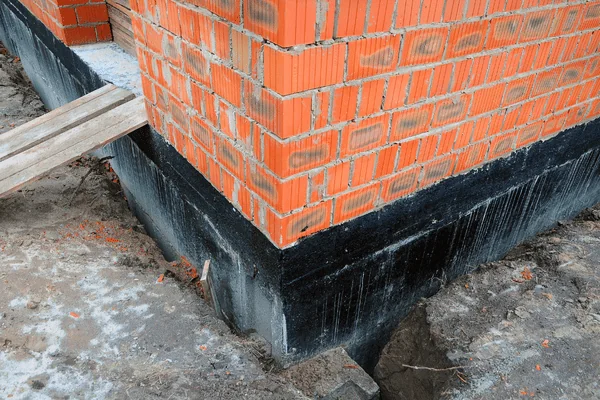
Waterproofing Your Basement the Right Way
Proper waterproofing can prevent costly water damage and protect your home. To ensure your basement stays dry, consider the following steps:
- Inspect and seal any cracks in walls or floors with a high-quality waterproof sealant.
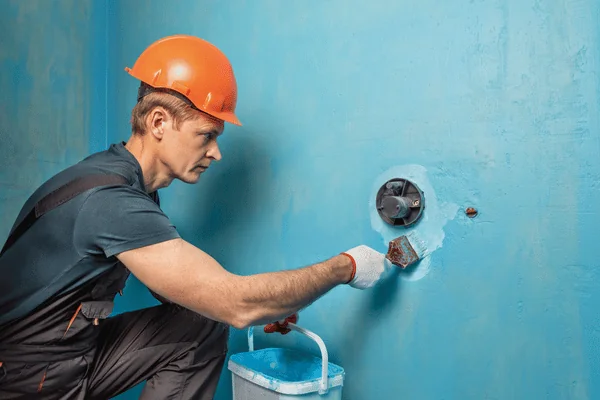
- Apply a waterproof coating to basement walls for added moisture protection.
- Keep gutters clean and ensure downspouts direct water away from your foundation.
- Install a sump pump or drainage system for added protection during heavy rains.
- Use a dehumidifier to control humidity levels and reduce the risk of mold growth.
Routine Maintenance and Inspections
Regular maintenance and inspections are essential for preventing water damage in the basement. Here’s how you can stay ahead:
- Inspect Gutters and Downspouts: Ensure they’re clear of debris and directing water at least six feet away from the foundation.
- Check for Foundation Cracks: Look for gaps or cracks in your home’s exterior and seal them promptly.
- Monitor the Basement for Moisture: watch for signs of dampness or mold on the walls and floors. Address issues immediately.
- Test Sump Pump: Regularly check your sump pump’s functionality to ensure it’s ready for heavy rains.
- Schedule Professional Inspections: An expert can identify potential issues that might go unnoticed.
By staying on top of these tasks, you’ll not only protect your basement but also ensure the structural integrity of your home. Regular upkeep prevents costly repairs and keeps your living space safe from water damage.
The Cost of Ignoring Basement Water Damage
Ignoring water problems in the basement can lead to immediate issues that worsen over time, resulting in more expensive repairs. You may also face complications with your insurance and reputation if the damage is left unaddressed.
Short-Term Consequences vs. Long-Term Damage
Water damage in basement can start with minor issues like dampness, unpleasant odors, or small puddles, but ignoring these signs can lead to significant problems. In the short term, mold growth can begin within 24 to 48 hours, creating health risks. Over time, untreated water in basement spaces can weaken your foundation, resulting in costly structural damage.
Persistent moisture also encourages ongoing mold growth, which may require professional remediation. Early intervention can prevent these issues from escalating, saving you from expensive repairs and potential health concerns. Act promptly when you notice signs of water damage to avoid long-term complications.
Insurance and Rep You Might Face
Ignoring water in basement issues can lead to costly consequences, including expensive repairs and mold remediation. It may also impact your insurance premiums, as insurers often increase rates for homes with a history of water damage or deny coverage if maintenance isn’t properly documented.
A poor insurance record can make it challenging to find affordable coverage. Furthermore, potential buyers may be deterred by a home’s history of water-related issues, which can decrease its market value. To protect your finances and property, address water damage quickly and keep detailed records of all repairs.
Final Thoughts on Basement Water Damage Signs
Early detection of water damage can save you from costly repairs and health issues. Regularly check for water stains, musty odors, and high humidity. If you spot any warning signs, address them immediately to prevent further damage. Investing in waterproofing or a sump pump can help protect your home.
Also, ensure your insurance policy covers water damage and document any issues for future claims. Taking proactive action now will protect your home and keep your basement safe and dry for you and your family.
FAQs
1. How Can I Identify the Source of Basement Water Damage?
To identify the source of water damage, inspect for leaks, check gutters and downspouts, examine walls for cracks, and monitor humidity levels. You’ll find clues that help pinpoint where the water’s coming from.
2. Will Homeowners Insurance Cover Repairs for Water Damage in the Basement?
Homeowners’ insurance might cover basement damage repairs, depending on your policy. You should review your coverage details and consult with your insurer to understand what’s included and any exclusions that may apply.
3. Can I Fix Minor Water Damage on My Own?
You can fix minor basement water damage yourself if you’re comfortable with basic repairs. Start by evaluating the damage, addressing moisture sources, and using proper materials. Just remember to prioritize safety and consider calling a professional if needed.
4. How Long Does It Take to Dry Out a Damp Basement?
It usually takes 24 to 48 hours for a damp basement to dry out, depending on the humidity and ventilation. Fans, dehumidifiers, and proper airflow can speed up the process and help prevent mold growth.
5. What Are the Long-Term Effects of Untreated Water Damage?
If you leave basement water damage untreated, you’ll face mold growth, structural issues, and health risks. It can weaken foundations, lead to costly repairs, and negatively impact air quality, affecting your home’s overall safety and value.