Skip to content

Installing gym flooring for basement spaces is a smart way to create a safe and durable workout area at home. Before starting, it’s essential to assess moisture levels, layout, and material choices. With the proper preparation and tools, the process becomes manageable. In this guide, we’ll walk you through the key steps to ensure long lasting, effective results.
Explore the best gym flooring for a basement with durable home gym floor mats. Check out basement gym flooring ideas and top flooring for basement gym options to upgrade today. Let’s get started now!
Why Choose the Right Flooring for Basement Gym Spaces
Selecting the appropriate flooring for a basement gym is vital for several reasons. Making the right choice will not only enhance your workout experience but also protect your investment.

Moisture and Humidity Considerations
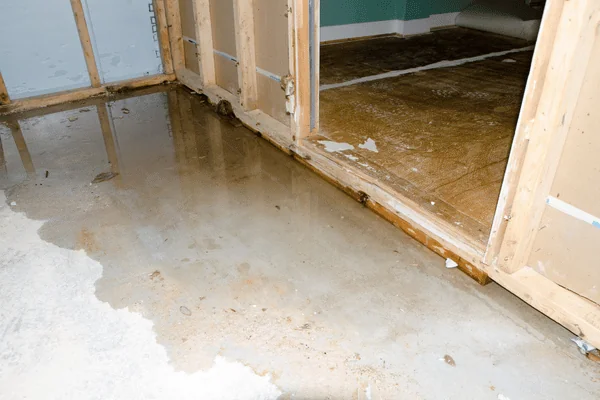
Managing basement waterproofing is crucial when installing gym flooring for basement spaces. Basements are prone to dampness, so opt for moisture resistant materials, such as rubber or vinyl. Proper ventilation and the use of a dehumidifier can help protect your flooring in the long term. Continually assess moisture levels before installation to prevent future issues and maintain a safe, functional workout space.
Durability Requirements for Home Gym Use
Durability is key for basement gym flooring. Heavy weights and high impact routines demand materials that resist wear and tear. Rubber, vinyl, or dense foam flooring offers excellent shock absorption and long term resilience. Thicker options also enhance comfort and protect your subfloor. Choose wisely to ensure your workout space remains safe, sturdy, and looking good for years.
Temperature and Comfort Factors
Basement gyms often face cool, damp conditions, making comfort a priority. Rubber and foam tiles help insulate against cold floors while providing cushioning for workouts. Choose flooring that balances warmth with moisture resistance to keep your space inviting and practical. The right choice will make your workouts more enjoyable and your gym more functional throughout the year.
Best Basement Gym Flooring Ideas and Material Options
Choosing gym flooring for a basement? Discover practical basement gym flooring ideas and quality home gym rubber floor mats. Select the best flooring for basement gym setups that prioritizes safety and comfort by carefully balancing your needs with what is available and practical for your specific situation.
Finding the ideal foundation enhances safety, performance, and durability in your fitness area. Explore these basement gym flooring ideas and material options to create a comfortable, resilient, and durable workout space.
Home Gym Rubber Floor Mats – The Top Choice
Rubber floor mats offer durability, making them the ideal choice for gym flooring in a basement. These mats absorb shock from weights and high impact movements, protecting equipment and the subfloor. Their slip resistant surface ensures stable footing during exercises, thereby reducing the risk of injury.
Rubber is moisture-resistant and easy to clean, requiring only a simple sweep or damp wipe. Offered in various thicknesses and textures, these mats can be customized to suit your comfort needs. Installation is straightforward: lock tiles together or lay them loosely to form a professional grade workout area.
Foam Tiles and Interlocking Systems
Foam tiles and interlocking systems offer cushioned flooring for home gyms. Lightweight and easy to handle, these tiles click together without the need for adhesive, enabling quick and easy installation. Soft yet supportive, foam absorbs impact from bodyweight exercises and stretching, reducing joint strain.
Available in various colors and thicknesses, they allow you to customize your gym’s look. Water resistant and straightforward to clean with mild soap and water, foam tiles resist mold and mildew. Damaged tiles can be replaced, ensuring the durability of your fitness floor.
Vinyl and PVC Flooring Solutions
Vinyl and PVC flooring combine resilience, making them ideal for basement gyms. These water resistant materials resist stains and humidity, making them suitable for damp basements. Available as click lock planks, sheets, or tiles, installation adapts to any layout. Both options offer moderate cushioning and noise reduction, improving workout comfort.
Choose from wood look finishes or vibrant patterns to match your style. Maintenance is simple: sweep and damp mop regularly. Durable and low maintenance, these floors efficiently deliver functionality and aesthetics for a professional home workout environment.
What Tools and Materials Do You Need for Installation?
Upgrade your home today with flooring for basement gym projects, including home gym rubber floor mats. You can find a wide range of practical and durable gym flooring for a basement space. We can help you design creative basement gym flooring ideas to inspire your remodel, and your workout, today. Make the job easier and more efficient by preparing these essential items:
- Vinyl, rubber, or foam flooring tiles
- Utility knife for cutting tiles
- Straightedge for accurate cuts
- A measuring tape to size your space
- Rubber mallet to secure the fit
- Level to ensure even flooring
- Broom or vacuum for a clean base
- Moisture barrier to prevent dampness
Preparing Your Basement for Gym Flooring Installation
Before installing gym flooring in your basement, it’s crucial to create the right foundation. Proper preparation ensures longevity, stability, and safety, giving you the ideal space for workouts and training.
Concrete Floor Assessment and Cleaning
To ensure a solid foundation, carefully assess your concrete floor. Check for cracks, chips, or uneven spots using a level, and note any areas that need repair. Sweep away debris and mop with a cleaner to remove grease or grime. Let the floor dry completely before starting.
If necessary, patch damaged areas to improve both appearance and performance. Proper cleaning and repair help your home gym rubber floor mats adhere securely and last longer through intense workouts.
Addressing Moisture and Ventilation Issues
Managing moisture and ventilation in your basement is key before installing gym flooring. Start by identifying signs of dampness, mold, or musty odors. Use a dehumidifier to reduce humidity and improve air quality. Check for proper airflow by opening windows or installing vents, and consider installing an exhaust fan if necessary.
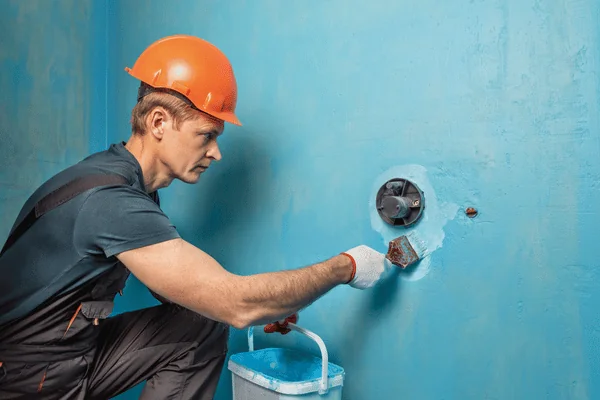
Apply waterproof sealant to floor and wall cracks. Adding a moisture barrier beneath flooring provides additional protection, keeping your space dry and helping your gym flooring stay in top shape.
Creating Level Surfaces
A level floor ensures your gym flooring performs optimally and lasts longer. Begin by inspecting for dips or high spots using a leveling tool. Fill low areas with a self-leveling compound and sand down uneven sections.
Before applying any materials, clean the surface thoroughly to promote strong adhesion. Repair any holes or cracks to avoid uneven pressure underfoot. A smooth, even base supports stability, comfort, and durability, making your basement gym safer and more enjoyable for every workout.
Step by Step Installation Process for Basement Gym Flooring
Now that your basement is ready, it’s time to focus on the installation process for your gym flooring.
Layout Planning and Design Considerations
Before installing your basement gym flooring, plan a layout that is tailored to your specific fitness needs. Measure your space, define zones for cardio, weights, and stretching, and ensure safe movement between areas, group related equipment together for better flow and functionality.
Don’t overlook lighting, outlets, and airflow. A simple floor plan sketch helps visualize the setup. Thoughtful planning leads to a space that’s efficient, motivating, and built to support your workout goals.
Installing Home Gym Rubber Floor Mats

Adding rubber floor mats to your basement home gym can instantly upgrade your exercise area. Begin by measuring the room to determine the number of mats you’ll need. Clean the floor surface to ensure proper adhesion. Start laying mats from one corner, fitting interlocking edges tightly. Use double sided tape for added stability if desired. Once in place, inspect for gaps or uneven sections. These mats provide a supportive, cushioned layer that protects both your floor and your joints.
Finishing Touches and Quality Control
After your mats are installed, focus on details that polish the look and boost safety. Check that seams are aligned and edges are snug with no lifting. Use a level to spot any uneven areas and correct them.
Give the surface a thorough clean to remove dust or debris. Add edge trims for a clean, finished look. With everything in place, your basement gym will be prepped, polished, and ready for action!
Finishing Touches and Quality Control
After your mats are installed, focus on details that polish the look and boost safety. Check that seams are aligned and edges are snug with no lifting. Use a level to spot any uneven areas and correct them. Give the surface a thorough clean to remove dust or debris.
Add edge trims for a clean, finished look. With everything in place, your basement gym will be prepped, polished, and ready for action!
Maintenance Tips and Long Term Care for Your Basement Gym Floor
To keep your basement gym flooring in peak condition, regular care is essential. These practical maintenance tips will help extend its life, performance, and appearance over time.
- Sweep or vacuum frequently to clear dust and debris that can cause surface scratches.
- Wipe spills promptly using warm water and a mild detergent to avoid stains.
- Avoid harsh chemicals that may erode or discolor the flooring material.
- Place mats or pads under heavy equipment to reduce pressure and damage.
- Inspect rubber or foam floors regularly for wear and replace damaged sections as needed.
- Maintain proper ventilation in the basement to reduce moisture buildup and prevent mold.
Looking for basement gym flooring ideas? Install quality gym flooring for a basement with durable home gym rubber floor mats. Explore top flooring for basement gym options to enhance your workout space.
Final Thoguhts on Basement Gym Flooring Options
Ready to transform your basement into the ultimate home gym? Start your flooring installation project today and create the workout space you’ve always dreamed of. South Shore Basement Finishing is here to help you achieve the perfect basement transformation. Share your basement gym transformation in the comments below – we’d love to see your results!”
Frequently Asked Questions
1. Can I Install Gym Flooring Over Existing Carpet or Tile?
You shouldn’t install gym flooring over existing carpet or tile. It can lead to uneven surfaces and potential damage. Instead, remove the old flooring to ensure a stable foundation, which will facilitate proper installation and durability in your gym area.
2. How Do I Handle Moisture Issues Before Installation?
Before installation, check for moisture using a moisture meter. If levels are high, consider using a dehumidifier, sealing the concrete, or installing a moisture barrier to protect your flooring from damage.
3. What Is the Average Cost of Basement Gym Flooring Installation?
The average cost of basement gym flooring installation varies, typically ranging from $3 to $10 per square foot. Factors like material choice and labor expenses can influence the final price, so it’s wise to shop around.
4. Is It Necessary to Hire a Professional for Installation?
You don’t necessarily need to hire a professional for installation. If you’re handy and follow instructions carefully, you can save money and achieve great results. Just make sure you have the right tools and materials.
5. How Long Does It Take to Install Gym Flooring in a Basement?
It typically takes one to two days to install gym flooring, depending on the material and your level of experience. If you’re well-prepared and organized, you may even finish faster. Patience and precision matter!