Skip to content

A basement with a low ceiling and little or no natural light can easily feel dark, cramped, or unfinished. The right paint color can make a significant difference, helping the space feel brighter, more open, and more comfortable without changing its footprint.
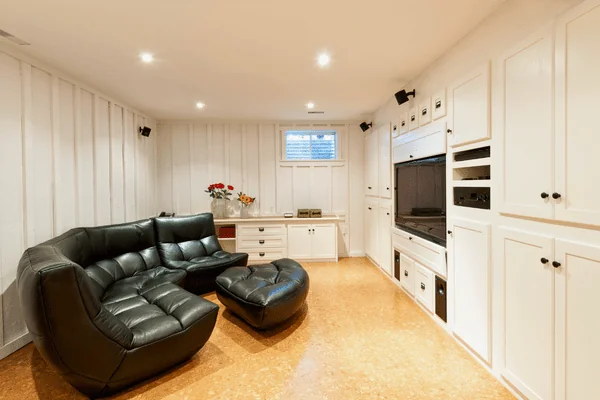
For most South Shore Massachusetts basements, the best paint color for basement walls is a light, warm shade with good light-reflective qualities. Warm whites, soft off-whites, light greiges, and carefully chosen muted greens can all work well.
The key is choosing a color based on the basement’s lighting, ceiling height, flooring, and intended use rather than simply carrying an upstairs paint color downstairs.
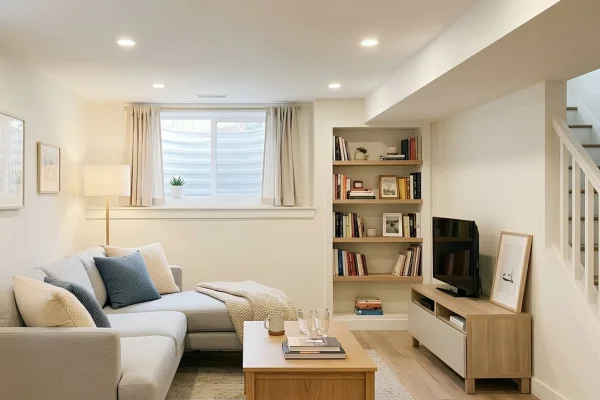
What Makes a Good Basement Wall Color?
Basements have different lighting conditions than above-grade rooms. Without consistent natural sunlight, paint color is primarily influenced by artificial lighting and the surfaces around it.
When comparing basement paint color ideas, look for shades that:
- Reflect enough light to keep the room feeling open
- Have warm or neutral undertones
- Work well with the basement’s artificial lighting
- Coordinate with the flooring and trim
- Do not make a low ceiling feel even lower
- Fit the way the finished basement will be used
One useful measurement is Light Reflectance Value (LRV). LRV describes how much visible light a color reflects, using a scale from 0 to 100. Higher numbers generally indicate lighter, more reflective colors.
No single LRV automatically makes a color right for every basement, but lighter shades are generally easier to work with when natural light is limited.
Best Paint Colors for Basement Walls
If you’re looking for the best paint color for basement walls, these four categories are a good starting point.
| Color family | Why it works | Best for |
| Warm white | Maximizes brightness without feeling as stark as pure white | Family rooms, playrooms, multipurpose spaces |
| Soft off-white | Adds warmth while keeping the room light | Most finished basements |
| Light greige | Adds color without absorbing too much light | Family rooms, offices, entertainment areas |
| Muted sage green | Adds personality while maintaining a natural, subdued look | Offices, gyms, bedrooms, accent areas |
1. Warm Whites and Soft Off-Whites
Warm white is one of the safest choices for a basement with no windows. It reflects artificial light well while avoiding the sterile appearance that can come from a very bright, cool white.
Examples homeowners may want to sample include:
- Benjamin Moore White Dove
- Benjamin Moore Alabaster
- Benjamin Moore Chantilly Lace
The important distinction is the undertone, not simply whether a paint is labeled “white.” A white with cooler blue or gray undertones can look noticeably different under warm basement lighting.
Benjamin Moore’s Alabaster, for example, has an LRV of 85.08, illustrating why lighter colors can be useful when maximizing reflected light is a priority.

2. Light Greige and Warm Neutrals
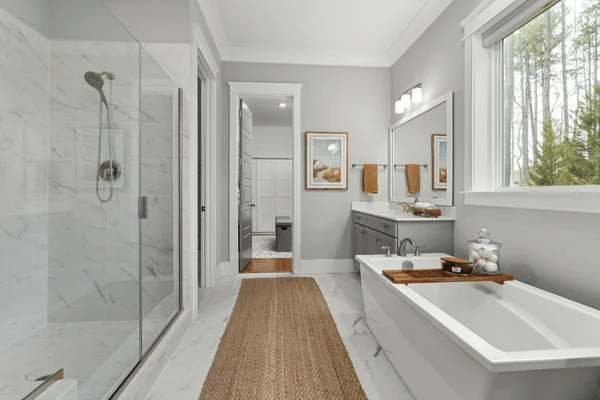
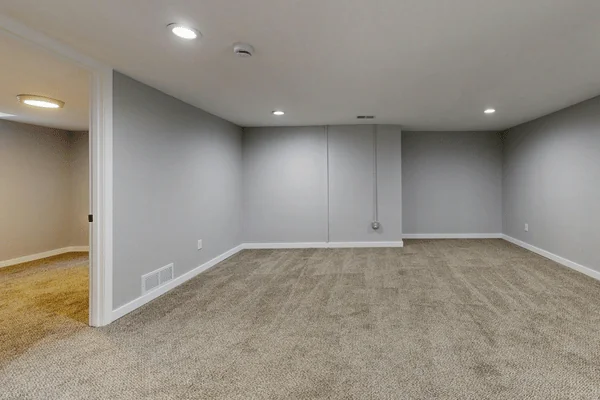
Greige combines gray and beige, giving homeowners more color than white without making the basement feel dark.
This is one of the more versatile color ideas for basement walls because it works with many flooring and furniture styles. Look for greiges that lean slightly warm rather than strongly blue-gray.
Popular options to sample include:
- Sherwin-Williams Accessible Beige
- Benjamin Moore Pale Oak
- Other light warm beige-gray combinations
- Pastel accents of plue, green, or grey
These shades can be particularly effective when you want the basement to feel connected to the rest of the home rather than like a separate utility space.

3. Muted Sage and Gray-Green
If you want more color, consider a muted sage or gray-green.
Soft greens can bring some of the feeling of the outdoors into a room that may have little connection to natural light. They also pair well with wood-look flooring and warm neutral furnishings.
The key is choosing a muted green. Strong yellow-green shades can look very different under artificial lighting, while gray-green shades tend to feel calmer and more subdued.
Because many greens have a lower LRV than warm whites, they work particularly well when paired with a light ceiling.

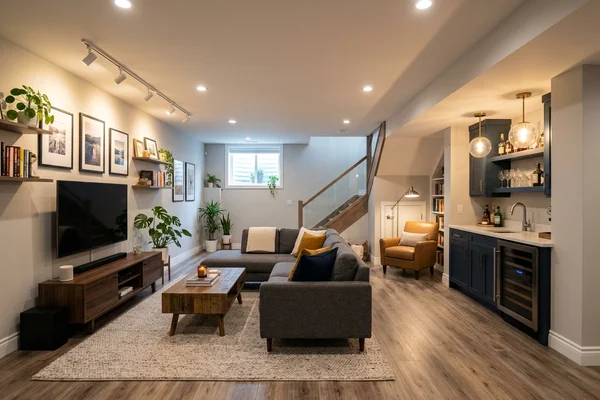
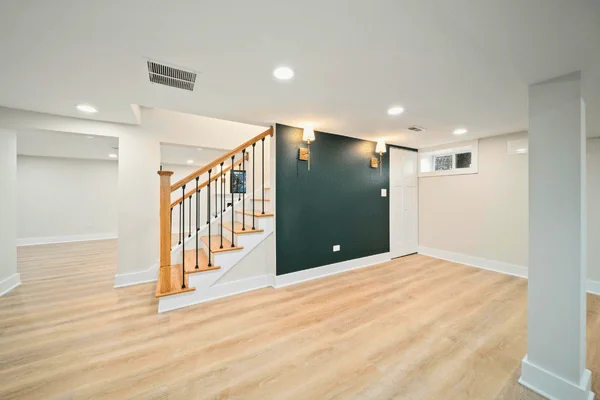
4. A Deeper Accent Color
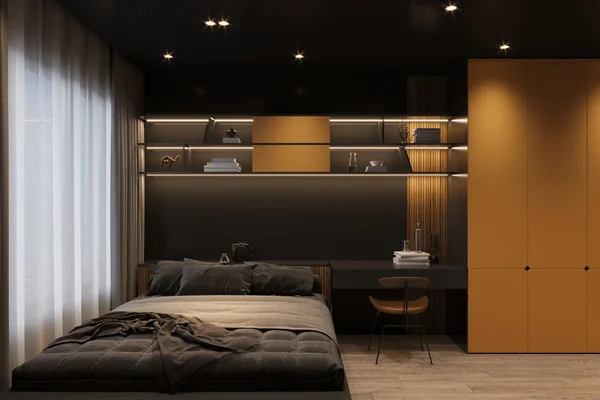
Dark colors are not automatically off-limits in a basement. The problem comes when a deep color is used on every wall in a room that already lacks light.
Instead, consider using navy, charcoal, deep green, or another dramatic shade on:
- One accent wall
- Built-in cabinetry
- A media wall
- Shelving
- A bar area
Keeping the remaining walls lighter preserves the sense of openness while allowing you to add contrast and personality.

What Paint Colors Should You Avoid?
Some colors are harder to use successfully in a low-ceiling basement with little natural light.
Cool Gray
Cool gray can look sophisticated upstairs but may feel flat or cold when there is little natural light to balance it and to reflect into the space.
If you like gray, consider a warm tone instead that remains soft and neutral while still being bright.
Cool Blue
Blue can emphasize the naturally cool feeling of a below-grade room, particularly when paired with cool lighting.
A muted blue can still work in the right design, but test it under the lighting you actually plan to use before committing.
Very Dark Colors on Every Wall
Deep charcoal, navy, forest green, and similar shades absorb more light and can visually bring walls closer together.
That does not make them bad colors. They simply require more planning. They are often more effective as accents than as the dominant wall color in a small, windowless basement.
Stark, Cool White
Pure-looking whites with strong cool undertones can make artificial basement lighting feel harsh. It is easy to go from inviting and light to feeling like a stark hospital room.
A soft warm white usually gives you the brightness you want without creating a clinical appearance.
How Should You Paint a Low Basement Ceiling?
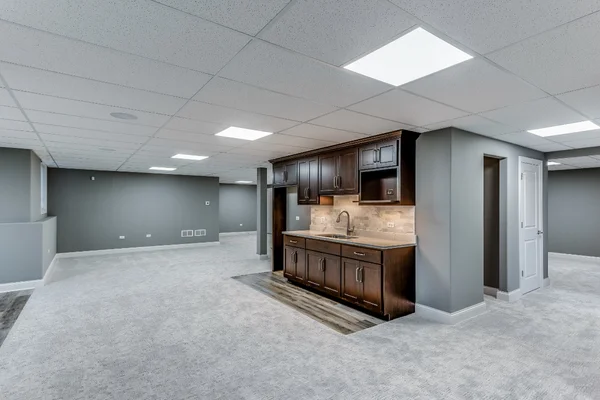
Color can help visually disguise a low ceiling and make the area feel larger and more open than it actually is.
One of the simplest approaches is to keep the walls and ceiling relatively close in color and value. This reduces the hard visual line between the two surfaces and can make the room feel more continuous.
For a particularly low ceiling, consider:
- Light, warm walls
- A white or near-white ceiling
- Minimal contrast between the wall and ceiling colors
- Consistent trim colors
- Good layered lighting
Massachusetts building requirements for basement ceiling heights can vary depending on how the space is classified and the applicable code provisions, so homeowners should not assume that every finished basement must meet the same seven-foot requirement. The current Massachusetts residential code includes specific provisions for habitable basement spaces.

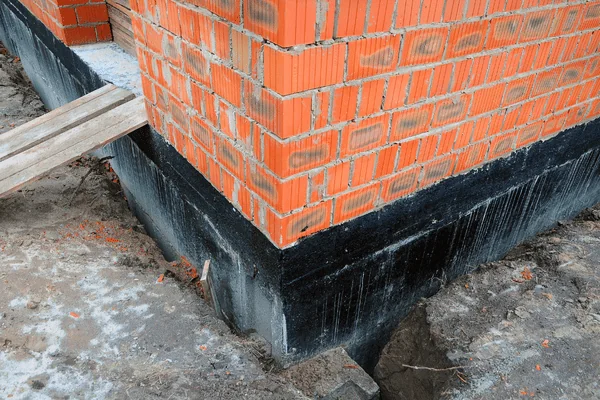
Don’t Choose Paint Before Addressing Moisture
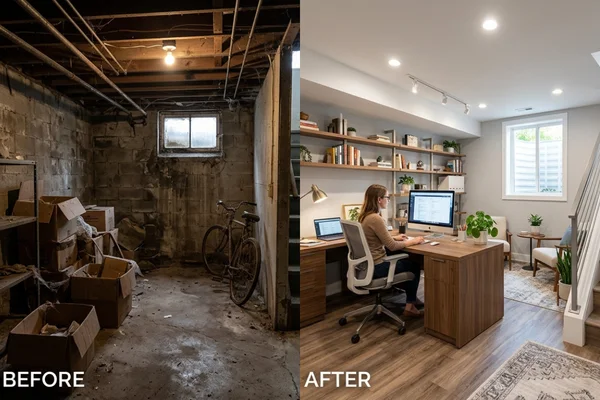
Paint color should come after any current basement moisture problems have been addressed.
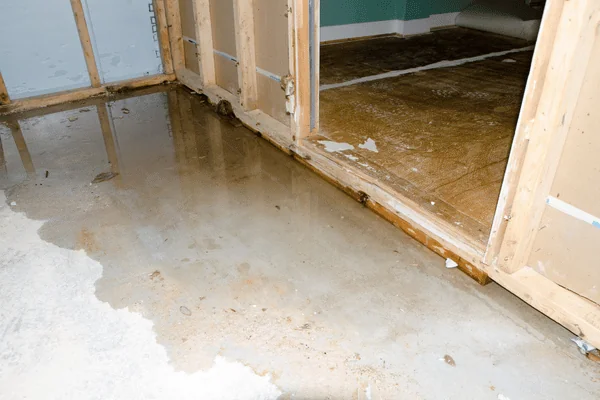
This is particularly important when finishing an older basement. Water can enter through foundation walls or floors, and excess moisture can contribute to mold and other indoor-air-quality problems. The EPA recommends correcting moisture problems before converting or remodeling basement spaces.
Before painting, look for:
- Water stains
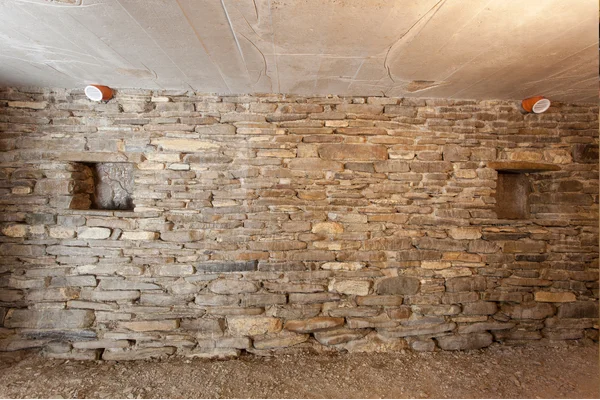
- Efflorescence or white mineral deposits
- Damp foundation walls
- Musty odors
- Condensation
- Previous leaks
- Cracks or areas where water enters
Depending on the cause, moisture control may involve improving drainage, addressing leaks, managing groundwater, repairing foundation issues, or installing an appropriate drainage or sump system.
Do not simply paint over a damp wall and expect the problem to disappear. EPA guidance specifically recommends controlling moisture sources and avoiding sealing or painting materials that are wet or show signs of biological growth.
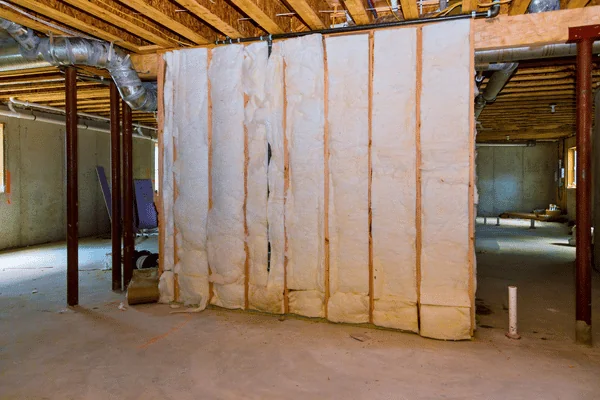
For a basement finishing project, handle moisture control and surface preparation before selecting the final paint color.
What Paint Finish Is Best for Basement Walls?
The finish matters almost as much as the color- flatt, matte, shine, and more- the choice you make actually does matter.
| Surface | Finish to consider | Why |
| Basement walls | Eggshell or satin | Easier to clean and provides some light reflection |
| Trim and doors | Semi-gloss | Durable and easy to wipe clean |
| Drywall ceiling | Flat or eggshell | Reduces glare from overhead lighting |
| Accent walls | Eggshell or satin | Provides durability without excessive sheen |
Eggshell is often a practical middle ground for basement walls because it is more washable than flat paint without creating the stronger reflection of a high-sheen finish.
The exact finish should also depend on the wall’s condition. A higher sheen can make surface imperfections more noticeable.
How to Choose Between Different Basement Paint Color Ideas
Before buying several gallons of paint, test your choices in the actual basement.
Paint samples on large boards or sections of wall and look at them:
- Under the basement’s actual lighting
- Next to the flooring
- Against the trim
- During different times when the artificial lights are used
- From different parts of the room
A small paint chip at a store cannot show you exactly how a color will behave across an entire basement.
This step is especially important when comparing warm whites. Two whites can look nearly identical on a small sample but noticeably different once they cover several walls.

Best Basement Colors by Room
The right choice can also depend on how you plan to use the space.
| Basement use | Colors to consider |
| Family room | Warm white, soft off-white, light greige |
| Playroom | Warm white, light neutral, muted sage |
| Home office | Warm neutral, greige, muted green |
| Home gym | Soft white, warm neutral, muted sage |
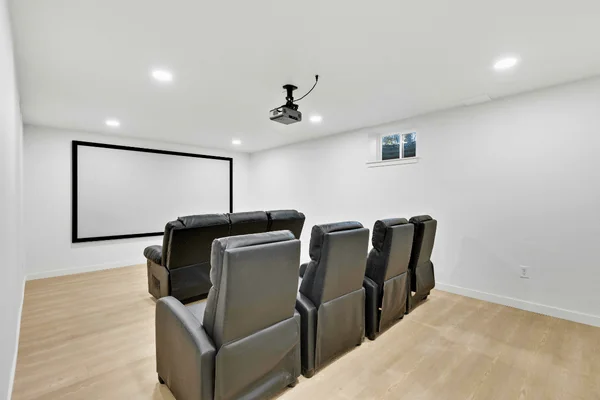
| Bar or entertainment area | Warm neutral with a darker accent |
| Guest room | Soft off-white, warm greige, muted green |
The goal is not simply to make the basement as white and bright as possible. The goal is to create a space that feels comfortable and intentional.
The Bottom Line on Basement Paint Colors
The best paint color for basement walls is usually a light-to-medium shade with warm or neutral undertones that works with the room’s artificial lighting.
For most low-ceiling, windowless basements, start by looking at:
- Warm whites
- Soft off-whites
- Light warm greiges
- Muted sage greens
Use darker colors selectively rather than automatically ruling them out, and always test samples in the finished lighting.
Most importantly, paint should not be used to hide moisture problems. A successful basement finishing project starts with a dry, properly prepared space and then uses color, lighting, flooring, and finishes together to create the desired result.
For South Shore homeowners, the right paint color is only one part of turning an underused basement into a comfortable living space. South Shore Basement Finishing Company can help with the larger finishing process, from addressing the conditions of the existing basement through the design and finishing details.
Planning to finish your basement? Contact South Shore Basement Finishing Company for a free estimate and to discuss your project.

Frequently Asked Questions
What is the best paint color for basement walls with no windows?
Warm whites, soft off-whites, and light warm neutrals are usually the easiest choices for a basement without windows. Look for colors with good light-reflective qualities and warm or neutral undertones. Test samples under the actual artificial lighting before making a final decision.
What colors make a basement look bigger?
Light, warm colors can make a basement feel more spacious by reflecting more light and reducing strong visual boundaries. Keeping the walls and ceiling relatively close in color can also make a low ceiling feel less visually dominant.
What are some good basement paint color ideas for 2026?
Current basement paint color ideas include warm whites, creamy off-whites, light greiges, and muted sage greens. These colors move away from the cooler gray palettes that were popular for many years while still providing a neutral backdrop.
Should basement walls and ceilings be the same color?
They do not have to be, but keeping them similar can help a low-ceiling basement feel more open. A light ceiling paired with warm, light-reflective walls is a practical starting point when the goal is to visually increase the sense of height.
Can I use dark paint in a basement?
Yes. Dark colors can work particularly well on an accent wall, media wall, cabinetry, or bar area. Using a deep color on every wall is more likely to make a small, poorly lit basement feel enclosed.
Should I paint a basement that has moisture problems?
No. Moisture problems should be identified and corrected before painting or finishing the space. The EPA recommends addressing basement moisture issues before converting a basement into living space.
What are the best color ideas for basement walls if I want something other than white?
Light greige and muted sage are two good starting points. They introduce more color than white while avoiding the visual heaviness of very dark or highly saturated shades. Test large samples first because artificial lighting can significantly affect how a color appears.